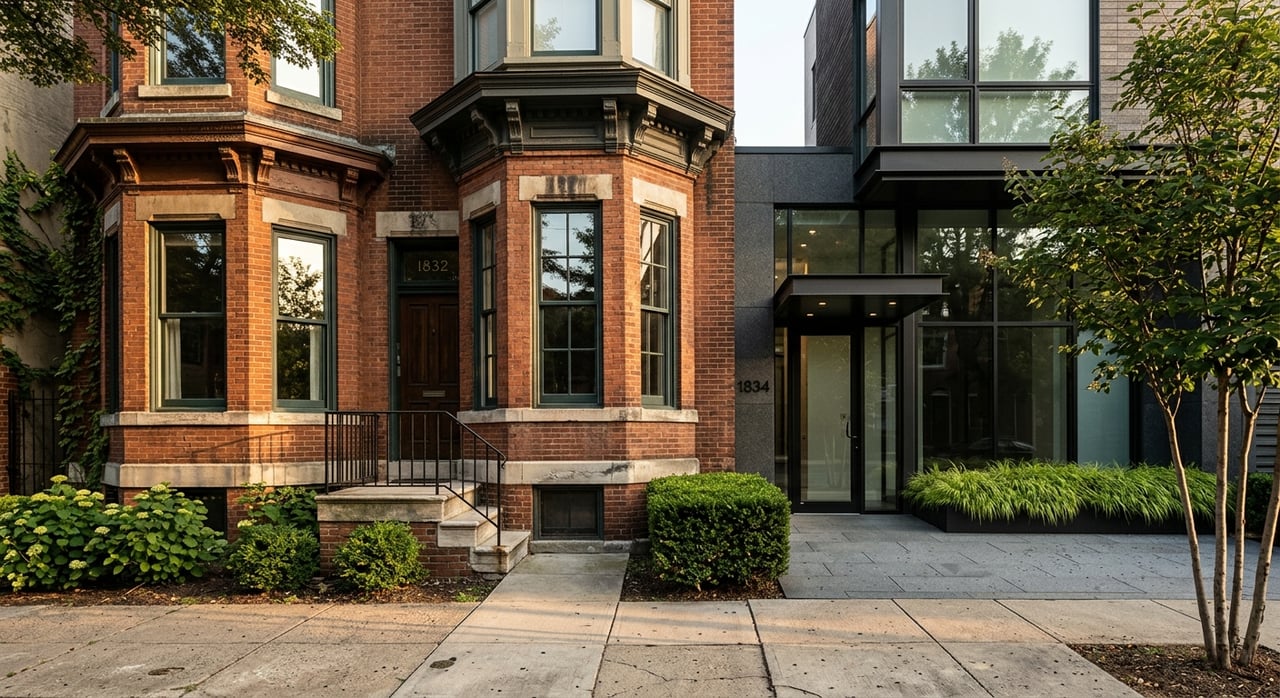
Trying to choose between a rowhouse and a condo in Little Italy-Palmerston? It is one of those Toronto decisions that feels simple at first, then quickly turns into a lifestyle, budget, and long-term ownership question. If you want a home that fits both your day-to-day routine and your future plans, this guide will help you compare the tradeoffs clearly. Let’s dive in.
Why Little Italy-Palmerston Feels Different
Palmerston and Little Italy offer a mix that is hard to find elsewhere downtown. You get residential streets with historic character, plus a lively main street along College with restaurants, cafes, bars, retail, and services supported by the Little Italy BIA.
That balance shapes the buying decision. A home here is not just about square footage or finishes. It is also about how you want to live within a neighbourhood that blends older housing stock, active streets, transit access, and an established local identity.
What a Rowhouse Usually Means Here
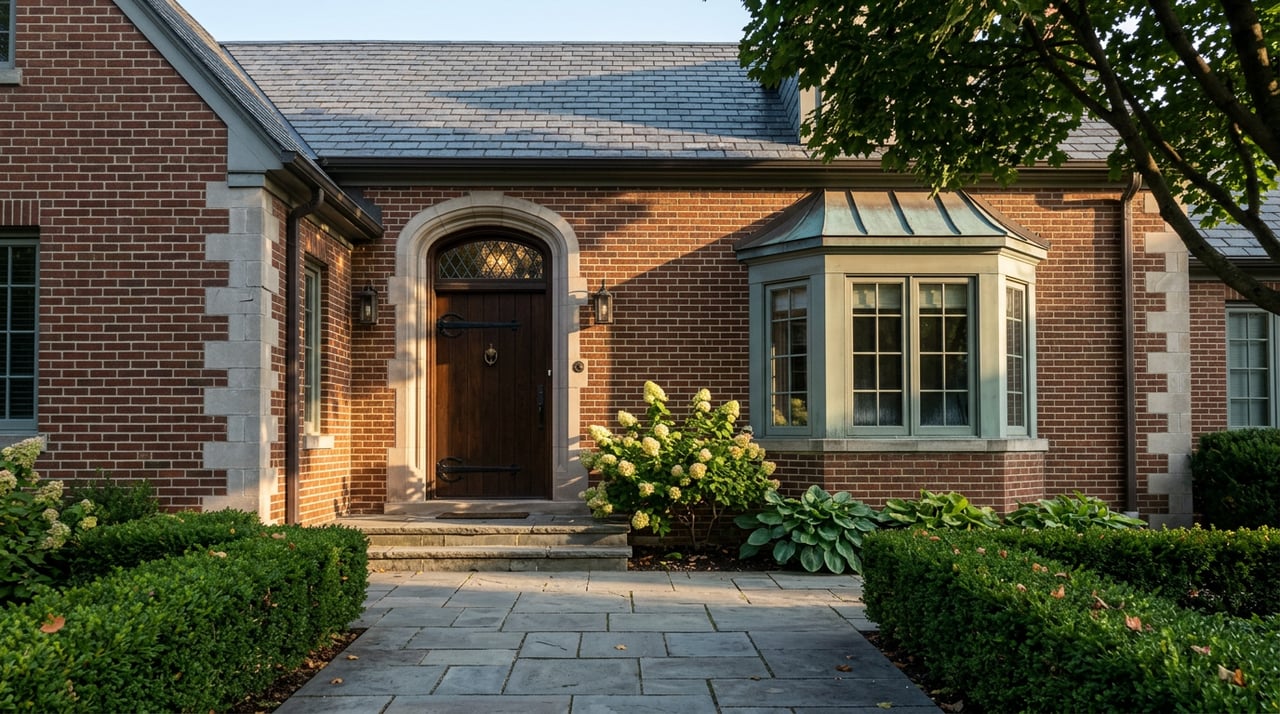
In this pocket, many buyers looking at rowhouse-style homes are really looking at Victorian Bay-and-Gable house-form properties. City guidance describes these homes as generally two to three storeys on long, narrow lots with minimal frontage, an asymmetrical front facade, and a projecting bay topped by a cross gable.
In practical terms, that often means a more vertical layout. You may have living space on one floor, bedrooms on another, and plenty of stairs throughout the home. If you like separation between spaces and the feel of a traditional house form, that can be a real advantage.
Palmerston Boulevard is especially known for its stone and iron gates, cast-iron lamps, and mature maple trees. The area’s physical character is a major part of its appeal, and it is also part of why design context matters when you buy and plan future changes.
What a Condo Usually Means Here
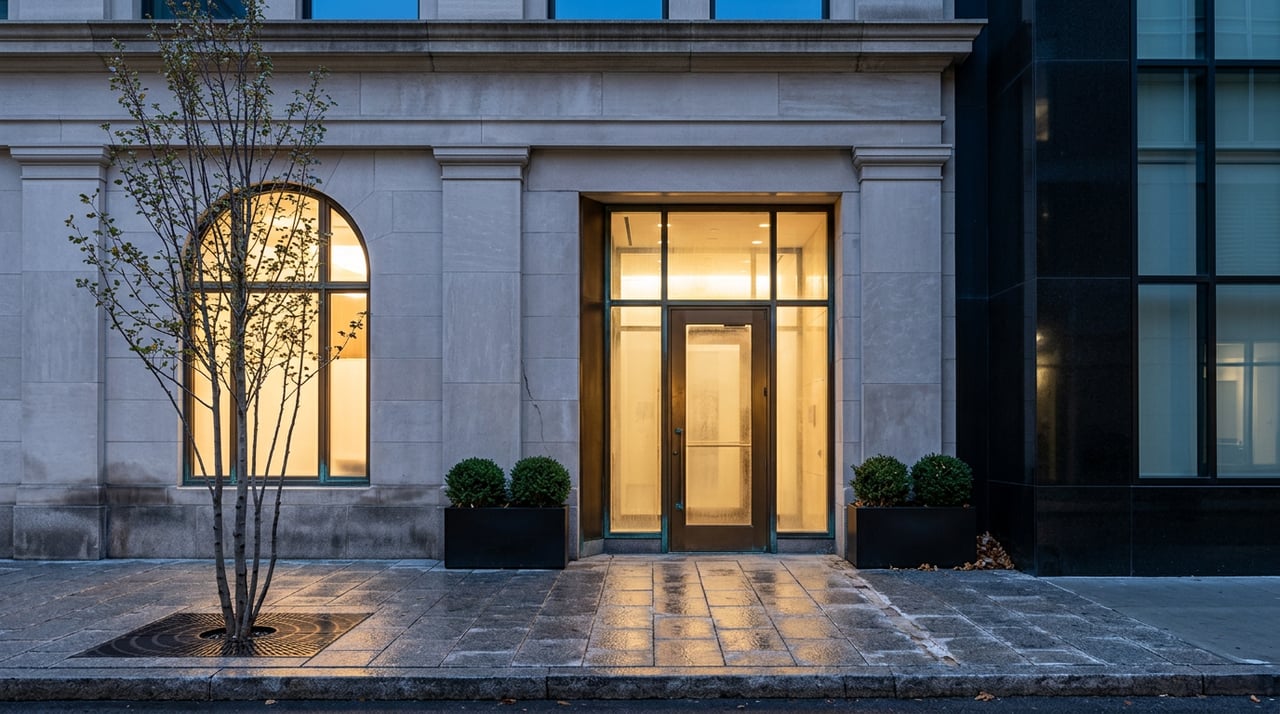
A condo is a very different ownership model. In Ontario, you own your individual unit, while the condo corporation manages common elements such as hallways, lobbies, elevators, garages, and shared amenities.
That setup creates a different ownership experience. Condo fees help fund maintenance of common elements, reserve fund contributions, cleaning, insurance, and management. For many buyers, that means more predictable monthly carrying costs, even if you have less flexibility over how those dollars are spent.
For a downtown buyer who values convenience, a condo often fits the rhythm of the neighbourhood well. You can enjoy College Street, transit, and local amenities without taking on full-building responsibilities yourself.
Rowhouse vs Condo at a Glance
| Factor | Rowhouse | Condo |
|---|---|---|
| Layout | Usually multi-level and stair-heavy | Usually more compact and efficiency-driven |
| Ownership | You control the property more directly | Shared governance through condo corporation |
| Maintenance | More owner responsibility | Shared upkeep handled through condo corporation |
| Monthly costs | More variable depending on repairs and upkeep | Condo fees create more predictable monthly costs |
| Renovation control | More flexibility, subject to permits and heritage rules | Interior changes may be simpler, but shared features often need approval |
| Entry price | Typically higher than condo apartments citywide | Typically lower than townhouse-style homes citywide |
| Fit for lifestyle | Better for buyers wanting more privacy and space | Better for buyers wanting lock-and-leave living |
Budget Matters More Than Buyers Expect
For many buyers, budget is the first sorting tool. TRREB reported the average Toronto condo-apartment price at $665,507 in April 2026, compared with $958,029 for townhouses. These are citywide figures, not Palmerston-specific sales data, but they support a common expectation: condos usually offer a lower entry point than rowhouse- or townhouse-style homes.
That gap matters in Little Italy-Palmerston, where character homes can come with both a higher purchase price and a higher tolerance for maintenance. A condo may give you more negotiating flexibility in the current market, especially since TRREB noted that the GTA condo market in Q1 2026 remained well supplied, giving buyers substantial choice and negotiating power on price.
If you are weighing monthly affordability, remember to compare the full carrying cost, not just the purchase price. For a condo, that includes fees. For a rowhouse, that includes the possibility of repairs, upgrades, and permit-related work over time.
Renovation Rules Are Not the Same
This is where the decision often becomes more nuanced.
Rowhouse Renovation Considerations
If you buy a rowhouse, you need to understand Toronto’s permit framework. The City says building permits are required for most construction, demolition, additions, and major renovations.
You also need to know whether a property is heritage-designated or simply listed on the Heritage Register. That distinction matters. A listed property is not the same as a designated one, and listing alone does not create extra maintenance rules beyond normal property standards or restrict alterations that do not require a building permit. Demolition, however, still triggers notice and review.
For designated properties, a heritage permit is required before changes are made. That can affect timelines, design decisions, and renovation scope.
There may also be upside if you are preserving important features. Toronto’s Heritage Grant Program offers matching grant funds for eligible conservation work on designated residential or tax-exempt properties.
Condo Renovation Considerations
With condos, the issue is less about exterior heritage character and more about governance. Under Ontario’s Condominium Act, the corporation maintains the common elements, while the owner maintains the unit.
That means you may have freedom inside your suite, but changes involving shared features or common elements typically need board approval. If you like clear processes and fewer structural decisions, that can feel manageable. If you want broad control over the entire property, it can feel limiting.
Palmerston’s Character Study Matters
There is another layer buyers should keep in mind. In 2025, Toronto City Council asked staff to undertake a non-statutory character study of Palmerston Avenue, Palmerston Boulevard, and the surrounding residential area, and to evaluate whether a Heritage Conservation District Plan should be prepared.
This does not mean change is frozen. It does mean the area is being looked at through a stronger design and character lens. If you are buying a rowhouse with future alterations in mind, that context matters.
For condo buyers, this issue is usually less direct, but it still shapes the broader neighbourhood feel and development conversation around you. In a design-sensitive pocket like Palmerston, understanding the local planning context helps you buy with clearer expectations.
Transit, Cycling, and Car Use
Little Italy-Palmerston is a strong fit for buyers who want to rely less on a car. The 506 Carlton streetcar runs east-west and serves College and Queen’s Park stations, while the 511 Bathurst streetcar connects Bathurst Station and Exhibition Loop.
Recent cycling work on Palmerston Avenue, Palmerston Square, Palmerston Boulevard, and Tecumseth Street added cycling, pedestrian, and road-safety upgrades and improved connections to bikeways on Bloor, Harbord, College, Richmond, Adelaide, and Wellington.
That is a meaningful lifestyle advantage, especially if you value walkability and transit-first living. It also has a practical effect on ownership choices, since some on-street parking was reduced. If you are considering a rowhouse and expect to rely on curb parking, that detail deserves extra attention.
Which Option Fits Your Lifestyle Best?
The right choice usually comes down to how you want to live, not just what you can buy.
A condo may suit you if you want:
- A lower entry price than a rowhouse-style home
- More predictable monthly maintenance structure
- A lock-and-leave lifestyle
- Transit-first downtown living
- Less responsibility for shared building upkeep
This often aligns with urban professionals, first-time buyers, newcomers, and buyers who want a more streamlined ownership experience.
A rowhouse may suit you if you want:
- More square footage and privacy
- Greater separation between living and sleeping areas
- More direct control over your property
- A longer-term ownership mindset
- The feel of a historic house form in a character-rich streetscape
This often aligns with buyers who are comfortable managing permits, stairs, upkeep, and possible heritage review.
The Real Question to Ask Yourself
Instead of asking which property type is better, ask which one fits your version of downtown life. If you want simplicity, flexibility, and a more turnkey ownership model, a condo may be the smarter fit. If you want space, privacy, and the experience of owning a classic low-rise home in one of Toronto’s most recognizable residential pockets, a rowhouse may be worth the extra complexity.
In Little Italy-Palmerston, both options can make sense. The best choice is the one that matches your budget, your tolerance for maintenance, and the way you actually want to move through the city each day.
If you want a more tailored read on which option fits your goals in this pocket of downtown Toronto, Selin Yasar can help you compare the numbers, the lifestyle tradeoffs, and the homes worth seeing.
FAQs
Is a rowhouse or condo cheaper in Little Italy-Palmerston?
- Citywide Toronto data from TRREB shows condo apartments generally have a lower average price than townhouse-style homes, so condos are usually the lower entry-price option.
What should buyers know about renovating a rowhouse in Palmerston?
- In Toronto, most major renovations, additions, demolition, and construction require permits, and heritage-designated properties also require a heritage permit before changes are made.
What should buyers know about condo rules in Ontario?
- In Ontario condos, the corporation maintains common elements while owners maintain their unit, and changes involving shared features often require board approval.
Is Little Italy-Palmerston good for transit-first living?
- Yes. The area is served by the 506 Carlton and 511 Bathurst streetcars, and recent cycling upgrades improved connections to several major Toronto bikeways.
Why does heritage context matter in Palmerston?
- The City is studying the character of Palmerston and evaluating possible Heritage Conservation District planning, which means future alterations may be viewed through a stronger design and character lens.