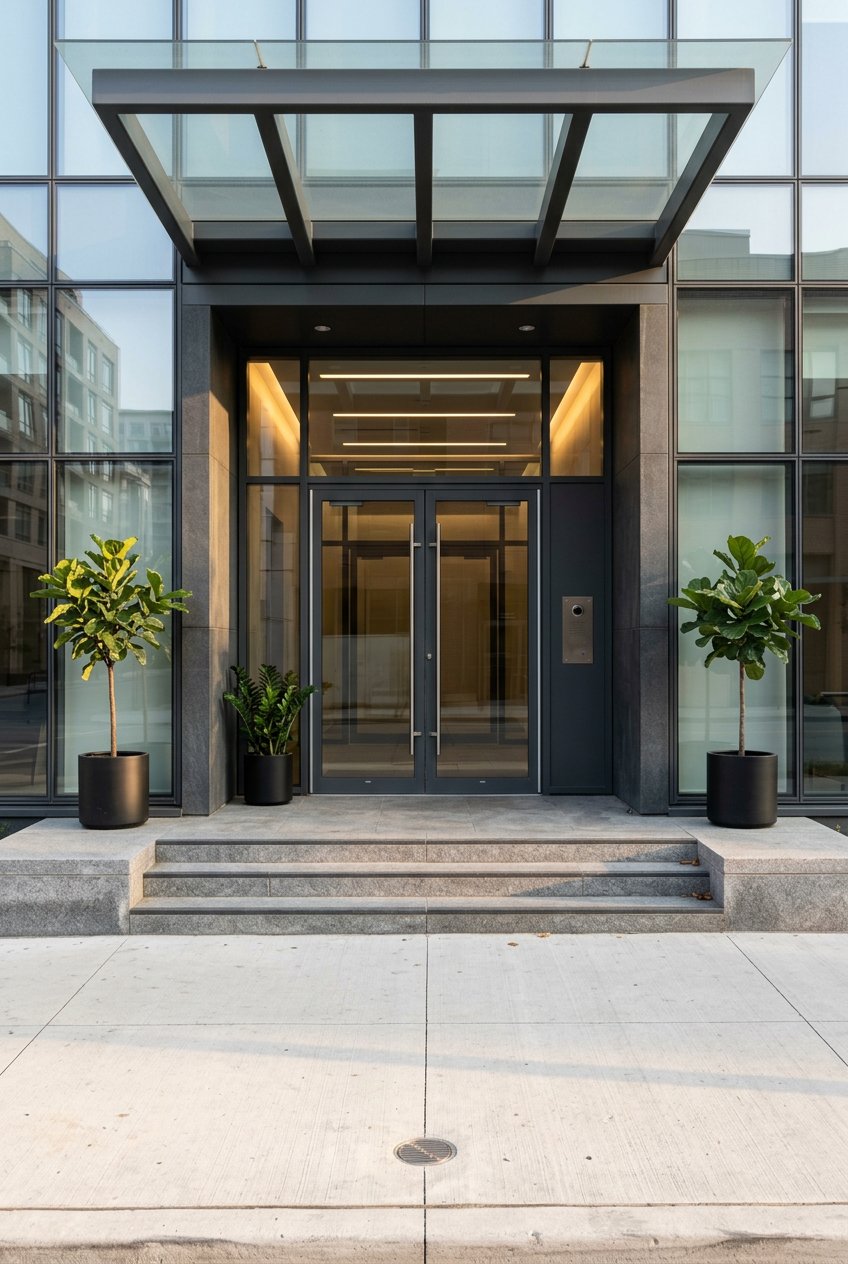
Scrolling listings for Liberty Village and feeling overwhelmed by floor plans, fees, and building names that all blur together? You are not alone. This pocket of Toronto packs a lot into a few blocks, which is exactly why choosing the right condo here takes a bit of strategy. In this guide, you will learn how to match your lifestyle to the right building type, compare fees and reserves with confidence, spot investor-heavy towers, and build a smart shortlist that sets you up for a smooth purchase. Let’s dive in.
Liberty Village at a glance
Liberty Village is a former industrial district that has transformed into a dense, lively neighbourhood of loft conversions, stacked townhomes, and modern towers. The local story shapes daily life: heritage buildings meet new glass, with creative firms, tech offices, and cafes at your doorstep. You also benefit from strong transit links, including the 504 King streetcar and nearby GO connections. You can explore the area’s evolution and community presence through the neighbourhood’s Business Improvement Area history.
With vitality comes activity. Proximity to Exhibition Place and BMO Field brings energy, but also event traffic and weekend buzz. The City has been updating traffic and planning responses for Liberty Village. For commute patterns and parking expectations, it helps to review the City’s traffic action plan updates and visit at peak times before you buy.
Choose your building type
Towers: amenity-rich and turnkey
Most towers in Liberty Village offer fitness centres, party rooms, rooftops, concierge, and underground parking or lockers. Suites often skew smaller, which can be ideal for first-time buyers who want low-maintenance living and convenient services.
Pros:
- Strong amenity sets and 24-hour style services in many buildings.
- Turnkey maintenance for busy urban routines.
- Broad resale appeal when the unit size and layout fit market norms.
Cons:
- Smaller footprints in newer phases may limit storage and furniture options.
- Higher common costs when amenities are extensive.
- Some towers have higher investor ownership. Check elevator capacity, noise exposure, and whether parking or lockers are included or sold separately.
Best for you if: You want hotel-style convenience, social and fitness amenities, and the easiest day-to-day living.
Loft conversions: character and volume
Liberty Village is known for authentic and hybrid lofts that preserve heritage elements like exposed brick, beams, and tall ceilings. These spaces can feel generous and architecturally interesting compared to standard condos.
Pros:
- Larger, open floor plates and soaring ceilings.
- Distinct character that stands out when you entertain or work from home.
Cons:
- Fewer hotel-style amenities in many conversions.
- Sound insulation and unique building systems can vary. Parking and storage may be limited or separate.
Best for you if: You value design, volume, and texture over a long list of shared amenities, and you want a space that reflects creative character.
Townhomes: ground-oriented living
Liberty Village also includes stacked and courtyard townhomes that deliver more privacy and outdoor space while staying within a condo community.
Pros:
- More separation between living and sleeping zones.
- Easier storage solutions and private entries in many layouts.
Cons:
- Exterior elements still sit under condo governance and reserves.
- Exterior wear can lead to targeted reserve spending for things like roofing or façades.
Best for you if: You want a front-door lifestyle, some private outdoor space, and a layout that feels more home-like within an urban setting.
Understand fees and reserves
Compare maintenance fees the right way
Use per-square-foot math to compare apples to apples. Downtown Toronto condos commonly land around about $0.50 to $1.00 per square foot per month, depending on age, amenities, and inclusions. You can see this range discussed in BrokerLink’s overview of Toronto condo fees.
How to compare:
- Fee per square foot equals monthly fee divided by unit size. For example, a 600-square-foot unit with a $450 monthly fee equals $0.75 per square foot.
- Always ask what the fee includes. Heat, water, building insurance, and parking or lockers materially change comparisons.
- Compare similar vintages and amenity levels. A heritage loft with minimal amenities should not be weighed against a new tower with a long list of facilities without adjusting expectations.
Read the reserve fund like an investor
In Ontario, condo corporations must maintain a reserve fund and complete periodic reserve-fund studies under the Condominium Act, 1998. These engineering-backed reports outline long-term repairs and the funding plan to pay for them.
What to look for:
- Current reserve balance versus recommended funding level.
- Capital work planned in the next one to five years, such as elevators, roofing, balconies, or garage waterproofing.
- Whether the board is following the study’s recommended funding plan.
Red flags include low reserves with near-term projects, repeated special assessments, or a sudden pattern of large fee increases without clear causes.
What your status certificate tells you
Before you firm up, have your lawyer review the building’s status certificate. This package discloses the declaration, bylaws, rules, budget, financial statements, reserve balance, management agreement, and any legal proceedings. To understand timing, contents, and buyer steps, review this guide to Ontario status certificates.
Use it to screen for:
- Litigation involving the corporation.
- High accounts receivable, which indicate many owners are behind on fees.
- Rapid fee growth across multiple budgets and the reasons behind it.
Investor versus end-user dynamics
Macro conditions shape building behaviour. Urbanation reported that in Q2 2025, condo rental listings rose and a high share of rental buildings offered incentives, while completed new condo inventory reached record levels. These trends can influence investor decisions and pricing pressure in towers with heavy investor ownership. You can read the summary from Urbanation’s Q2 2025 update.
Why it matters for you:
- Investor-heavy buildings often have higher turnover and more volatile listing activity.
- Amenities may see heavier wear and tear.
- A large supply of similar resale units can affect days on market and short-term pricing.
How to gauge a building’s rental share
You can estimate investor concentration by combining a few checks:
- Ask for the percentage of units currently rented. This figure often appears in the status package or can be requested from management. The status certificate guide explains what is typically included.
- Review board meeting minutes for discussions about rental rules, short-term rental enforcement, or tenant-related concerns.
- Ask the listing agent whether there are rental restrictions in the bylaws and what typical tenant turnover looks like.
Liberty Village living factors to weigh
Traffic and event rhythm
Liberty Village sits next to major venues and ongoing infrastructure work. Expect lively weekends and game days, plus periodic construction coordination. To gauge fit, walk the block at rush hour, after work, and on an event night. The City’s traffic planning updates for Liberty Village are a useful context check.
Amenity culture versus fees
Many buyers seek Liberty Village for its gym culture, rooftop scenes, and social spaces. Those services are great, but they cost money. Use the downtown benchmark from BrokerLink to test whether a tower’s amenity wish list aligns with your monthly comfort level and the building’s reserve health.
Character versus convenience
A heritage-style loft delivers texture and volume. A modern tower prioritizes amenity access and concierge convenience. Townhomes split the difference with more private space and a ground-level vibe. There is no right answer. The key is to choose the form that supports your daily routine, noise tolerance, storage needs, and long-run resale goals.
Your shortlisting checklist
Use this sequence to save time and avoid surprises.
- Status certificate and legal package
- Request the current status certificate and have your lawyer review it before removing conditions. Learn what to expect in the Ontario status certificate.
- Financial statements and budget
- Review the latest audited financials and current-year budget. Compare operating expenses year over year and note any rapid fee changes.
- Reserve-fund study and engineering reports
- Confirm the date of the latest reserve study and whether the board is following the funding plan outlined by the Condominium Act.
- Board meeting minutes
- Read 12 to 24 months of minutes for recurring maintenance issues, special assessments, construction notices, or conflicts with management.
- Management agreement
- Identify the manager, contract term, and service expectations. Long developer control or poor performance can be a governance risk.
- Unit-specific items
- Verify parking and locker ownership or rental status, any exclusive-use areas, and whether there are open permits or pending renovation approvals.
- Investor concentration and arrears
- Ask for the current percentage of rented units, any outstanding special assessments, and the level of fee arrears.
- On-the-ground visit
- Walk common areas at different times to judge hallway and amenity upkeep, concierge presence, elevator wait times, and area noise at rush hour or during events.
Viewing-day checklist for the suite
Focus on practical livability and condition.
- Storage: Closet depth, entry storage, and potential for built-ins.
- Light and orientation: Morning vs evening light, and any direct glare or shadowing.
- Balcony and windows: Signs of water intrusion or compromised seals.
- HVAC and ventilation: Age, maintenance records, noise, and airflow.
- Sound: Window and door insulation, and noise from corridors or streets.
- Elevators: If possible, time a typical wait during peak use.
- Connectivity: Reliable phone service and internet options in the unit.
- Layout: Furniture placement, wall space, and home-office potential. For lofts, test usability in open plans. For townhomes, check exterior maintenance access paths.
Work with a local specialist
Choosing the right Liberty Village condo is part lifestyle, part investment. You want a home that fits how you live, and you also want documents and numbers that hold up under scrutiny. A specialist with deep downtown knowledge will help you weigh character versus convenience, pressure test fees and reserves, and read between the lines of meeting minutes and market timing.
With a design-forward eye and disciplined, data-informed advice, you can focus on the homes that feel right and make sense on paper. If you are ready to explore Liberty Village with a curated shortlist and a clear plan, reach out to Selin Yasar. Start your tailored home search.
FAQs
What maintenance fee range should I expect in Liberty Village?
- A common downtown benchmark is about $0.50 to $1.00 per square foot per month, depending on building age, amenities, and inclusions, as outlined by BrokerLink’s guide.
What is an Ontario condo status certificate and why does it matter?
- It is the building’s disclosure package that includes bylaws, budgets, financials, reserve-fund details, and legal matters; have your lawyer review it, and see a buyer-friendly overview in this status certificate guide.
How can I tell if a Liberty Village building is investor-heavy?
- Ask management for the percentage of rented units, review meeting minutes for rental-related issues, and confirm bylaw restrictions or turnover patterns; the status package is your starting point.
Are loft conversions a good fit for first-time buyers?
- They can be if you value character and volume over extensive amenities; just budget for potentially different sound insulation, unique systems, and variable parking or storage.
Do events at Exhibition Place affect daily living in Liberty Village?
- Yes, you may experience more traffic and activity on event days; review the City’s traffic planning updates and visit at peak times to check your comfort level.
What documents should I review before going firm on a condo?
- At minimum: current status certificate, latest audited financials and budget, reserve-fund study, 12–24 months of minutes, the management agreement, and all unit-specific ownership details, guided by the Condominium Act framework.