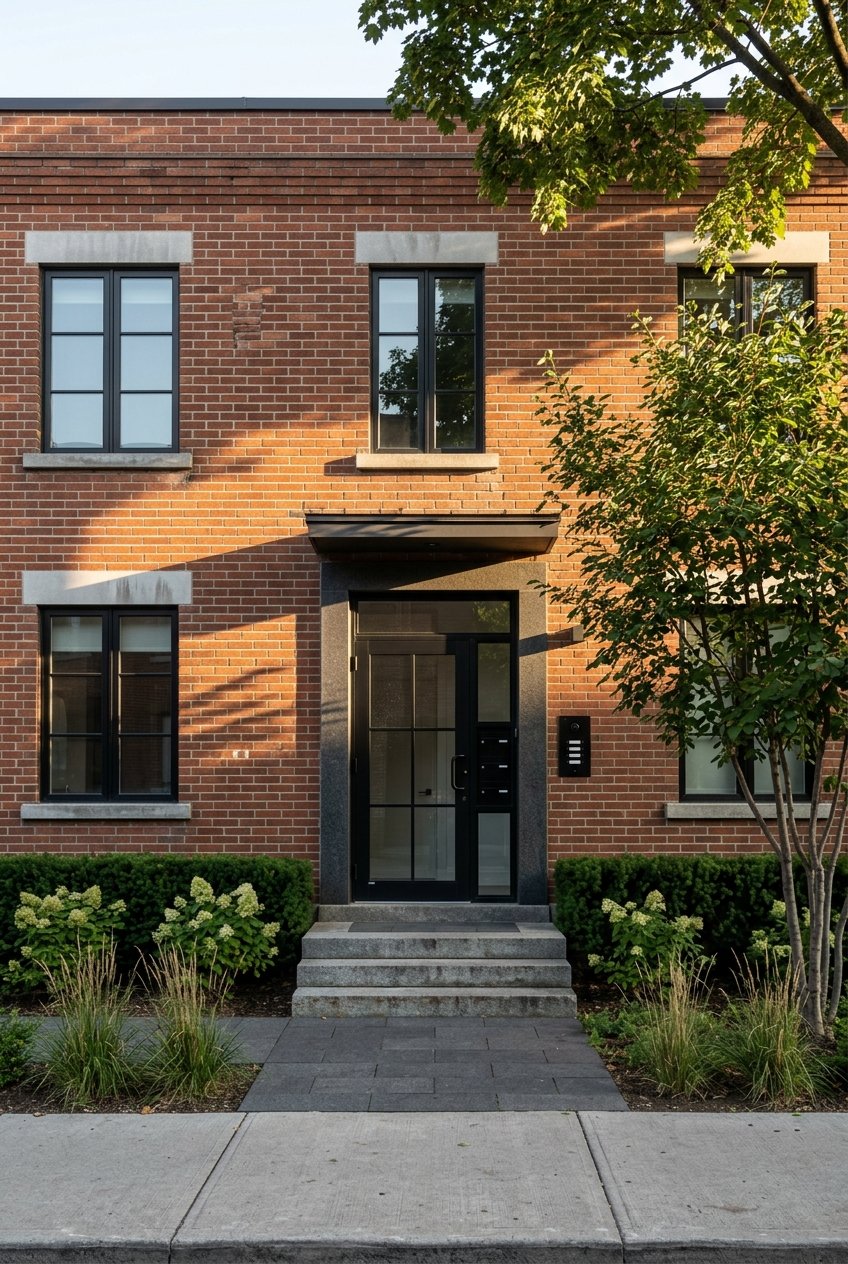
Looking at a multiplex in The Glebe Annex can feel exciting and deceptively simple at the same time. A triplex or fourplex in a central Ottawa location may seem like an easy long-term hold, but the real investment story is usually hidden in the rent roll, zoning details, turnover timing, and renovation limits. If you want to evaluate these properties with more confidence, this guide will walk you through the numbers and the local factors that matter most. Let’s dive in.
Why The Glebe Annex Stands Out
The Glebe Annex sits within Ottawa’s broader Centretown West area, in the section between Highway 417, Carling Avenue, Bronson Avenue, and Rochester Street, according to a City planning rationale. That matters because you are not evaluating a typical single-family pocket. You are looking at a neighborhood with an established mix of apartment buildings, mid-rise buildings, low-rise apartments, ground-oriented multi-unit homes, and single-detached dwellings.
For long-term investors, that housing mix can be a real advantage. It creates a more natural setting for small multifamily ownership, and it can support rental demand and resale comparisons in a way that a purely low-rise area may not. The same planning materials also point to nearby change, including work tied to the 299 Carling park block and the Booth/Carling redevelopment area, which suggests the district is still evolving.
What Makes a Good Annex Multiplex
A strong multiplex investment in The Glebe Annex is usually less about hype and more about durability. In this type of market, the better opportunities often combine stable occupancy, a workable unit mix, realistic upkeep, and measured upside over time.
That means you should focus on a few core questions:
- Are the current rents lawful and well documented?
- Is there a clear path to gradual income growth?
- Does the building need major capital work soon?
- Is the lot actually suitable for future expansion or only cosmetic improvement?
- Does the property fit your timeline as a hands-on owner or passive long-term holder?
If you cannot answer those questions clearly, the investment case may be weaker than the listing makes it appear.
Start With the Rent Roll
When you evaluate a triplex or fourplex, the rent roll should come before the asking price. You want to confirm the current rent for each unit, lease end dates, who pays utilities, whether there is parking or storage income, whether there are arrears, and whether any unit is vacant or likely to turn over soon.
This step matters even more in Ontario because rental income growth is not always immediate. The province’s standard lease guide explains that most tenants are protected by rent control, landlords generally need 90 days’ notice for rent increases, and annual increases cannot exceed the guideline unless additional approval is granted.
In plain terms, you should not assume that every below-market unit can be lifted quickly. The current rent roll is the foundation of your underwriting.
Understand Rent Control and Exemptions
One of the biggest mistakes investors make is treating all units the same. In Ontario, the 2026 rent increase guideline is 2.1%, but that guideline does not apply to units first occupied after November 15, 2018.
That distinction can materially change your numbers. An older stabilized building with fully rent-controlled units may offer steady income, but its growth path may be slower. A property with newer exempt units, or a legally added newer unit, may have a different upside profile.
Why Turnover Drives the Real Upside
In Ottawa, turnover matters a lot. According to CMHC’s Ottawa rental highlights, the 2025 primary-market apartment vacancy rate was 3.0%, with average rents of $1,594 for one-bedroom units and $1,926 for two-bedroom units. CMHC also reports that 2025 rent growth was 3.4% for one- and two-bedroom apartments, and about two-thirds of that growth came from turnover rather than in-place increases.
That is a key underwriting signal. If your business plan depends on resetting the entire building to market rent right away, it is probably too aggressive. A more realistic plan assumes income growth in stages as leases naturally turn over, while also setting aside reserves for downtime, cleaning, repairs, and leasing costs.
Demand Is Real, But So Is New Supply
The long-term demand picture in Ottawa remains meaningful. CMHC reports that Ottawa’s population reached 1,291,272 in 2024, up 3.6% year over year, with net migration of 42,268 people in the same period. Population growth like that can support rental depth over time, especially in central areas.
The student market also plays a role in Ottawa’s core rental geography. The University of Ottawa reported 49,864 total students in Fall 2025, while Carleton University reported 30,713 total students and 4,000 residence spaces on its Facts & Figures page, as cited in the research. For an Annex investor, this helps explain why lease-up patterns and turnover timing may connect to the academic calendar.
At the same time, you need to stay grounded about competition. Colliers’ Q1 2025 Ottawa multifamily commentary says more than 5,000 units were under construction and another 30,000 were in the planning pipeline, with leasing incentives becoming widespread in some projects. So while demand is present, your rent-growth assumptions should still be conservative.
Review Zoning Before You Count on Expansion
A multiplex can look like a future value-add opportunity on paper, but parcel-specific zoning can change that story quickly. Ottawa states that its new Zoning By-law was approved on January 28, 2026 and enacted on March 11, 2026, and that development and building permit applications must currently comply with both the old and new by-laws, with the most restrictive provisions applying while appealed provisions are resolved.
The city’s consultation materials also make clear that inner Ottawa zoning is evolving toward more housing flexibility, gentler density, and more relaxed parking rules. Still, The Glebe Annex is not a one-size-fits-all zoning environment. The practical takeaway is simple: verify the specific parcel in geoOttawa before assuming you can add units, build upward, or meaningfully reconfigure the site.
Watch for Heritage Overlay Limits
Older buildings can be appealing for both character and location, but they may come with limits that affect your plans. Ottawa’s heritage conservation guidance notes that the Heritage Overlay applies to most designated heritage properties and districts, and demolition can trigger replacement requirements tied to size, massing, and floor area.
That means a large lot does not automatically equal redevelopment freedom. In some cases, an Annex property may be better suited to a careful long-hold strategy than to major physical repositioning.
Renovation Value Is Conditional
Renovation can improve income and tenant appeal, but it is not an automatic path to higher returns. Ontario’s lease guide notes that landlords may apply for an above-guideline rent increase for major repairs or renovations, while also remaining responsible for maintenance, repairs, and keeping the property in good condition.
This matters because not every dollar of capital spending translates into immediate rent growth. In many cases, the value of improvements shows up through better retention, smoother leasing, lower repair risk, or stronger turnover pricing over time. That is still valuable, but it is different from instant yield expansion.
Use Cap Rates as a Check, Not a Shortcut
Cap-rate ranges can help you sanity-check pricing, but they should not replace detailed underwriting. Colliers reported Q1 2025 Ottawa multifamily cap rates of 4.25% to 5.25% for high-rise apartments and 4.25% to 5.50% for low-rise assets.
For a triplex or fourplex in The Glebe Annex, those figures are useful as a broad market reference only. The real value still comes back to unit mix, legal rents, building condition, turnover profile, and how much capital the property will need to stabilize.
Owner-Occupier or Pure Investor?
Some buyers look at Annex multiplexes as a live-in investment. That can improve carrying economics because one unit becomes your home while the others help support the property.
But it is important to be realistic about the role. As Ontario’s lease guide makes clear, a landlord remains responsible for maintenance, repairs, and required services. If you are buying as an owner-occupier, make sure the numbers work alongside the time, reserves, and patience needed to operate the building well.
A Practical Evaluation Framework
If you are comparing Glebe Annex multiplexes for long-term investment, use a disciplined checklist before you get attached to the finish level or future story.
Core questions to test
- Verify the lawful current rent for every unit
- Review lease dates and likely turnover timing
- Separate rent-controlled units from exempt units
- Confirm utility structure, parking income, and storage income
- Budget for vacancy, repairs, and tenant-turnover costs
- Review current and near-term capital needs
- Check zoning in geoOttawa and the city’s zoning tools
- Confirm whether a heritage overlay affects the property
- Compare the asking price against realistic net income, not best-case future rents
What a stronger long-term thesis looks like
The most defensible Annex investment thesis usually includes:
- Stable occupancy in a central Ottawa location
- Gradual rent growth tied to natural turnover
- Selective renovation with a clear scope and budget
- Conservative assumptions about lease-up and future rents
- Parcel-specific confidence on zoning and redevelopment limits
That is not the flashiest story, but it is often the most durable one.
If you want a more analytical, design-aware perspective on evaluating urban real estate opportunities, Selin Yasar offers a polished, tailored approach grounded in both lifestyle and long-term value.
FAQs
What should you check first when evaluating a Glebe Annex multiplex?
- Start with the rent roll, including lawful rents, lease dates, utility responsibility, additional income sources, arrears, and vacancy or turnover risk.
How important is tenant turnover for Glebe Annex investment returns?
- It is very important because CMHC’s Ottawa data show that about two-thirds of rent growth came from turnover rather than in-place rent increases.
Are all multiplex units in Ottawa subject to the rent increase guideline?
- No. Ontario says the 2026 guideline is 2.1%, but the guideline does not apply to units first occupied after November 15, 2018.
Can you assume a Glebe Annex property has redevelopment potential?
- No. You should verify parcel-specific zoning, exceptions, height rules, parking conditions, and any heritage overlay before assuming expansion is possible.
Is The Glebe Annex a pure student rental market?
- No. It is part of a broader central Ottawa rental area with multifamily housing, downtown demand, and some student-driven leasing influence due to Ottawa’s large university population.