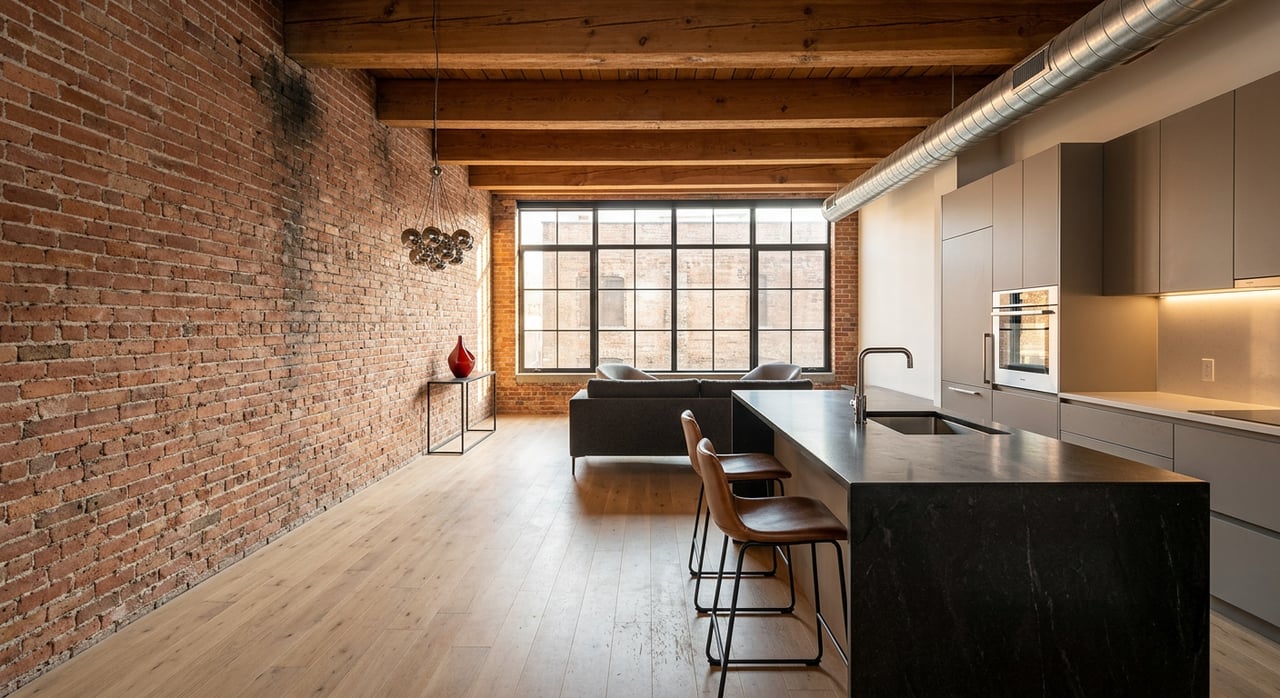
You love the brick-and-beam character of St. Lawrence, but the convenience of a modern tower keeps calling. The good news is you can find both within a few blocks of the Market. The challenge is deciding which one fits your lifestyle and long-term goals. In this guide, you’ll learn the real differences between heritage lofts and modern condos in St. Lawrence, including ownership rules, monthly costs, noise, market context, and resale signals. Let’s dive in.
St. Lawrence at a glance
St. Lawrence blends 19th‑century warehouses with mid‑century redevelopment and today’s glass towers. The area is protected by the City’s St. Lawrence Neighbourhood Heritage Conservation District plan, which recognizes warehouse and industrial buildings as key heritage types and sets rules for visible alterations. You benefit from a streetscape with preserved character, but exterior changes often require a heritage permit. That context helps explain why authentic loft conversions here feel rare and special.
What counts as a heritage loft?
A true hard loft is a conversion of a former commercial or industrial building. Hallmarks include high ceilings, oversized windows, exposed brick or concrete, and open floor plates. A soft loft is new construction that mimics the look without the original structure or history. If you want a primer on the difference, see the concise overview of loft types in the general definition of a loft.
How ownership and rules differ
Most modern towers are standard condominiums. You own your unit plus a share of the common elements, and your rights and responsibilities are set by Ontario’s Condominium Act and the condo’s declaration, bylaws, and rules. Buyers of resale condos can and should request a status certificate that discloses finances, the reserve fund, insurance, rules, and litigation, which is your key risk checkpoint before you firm up.
Some St. Lawrence buildings include co‑operative housing that runs on a membership model rather than unit deeds. Co‑ops follow their own bylaws and approval processes, and resale happens by share transfer instead of a typical condo sale. A local example is the Woodsworth Housing Co‑operative, which shows how community governance and member obligations work in practice. Many heritage lofts are condominiums after conversion, but heritage designation can still limit exterior changes and window replacements, so factor that into renovation plans.
Monthly costs and risk checks
Condo fees cover building operations, insurance, management, and contributions to the reserve fund for big-ticket items like roofs, windows, waterproofing, elevators, and HVAC. The status certificate and the most recent reserve fund study help you verify whether funding is adequate and whether large projects or special assessments are expected. Ontario’s Auditor General has flagged reserve fund shortfalls as a common issue in older condo corporations, which is why reviewing financials is so important. In older heritage conversions, look closely at envelope and window work, and in newer towers, check for warranty items and any water intrusion history.
Space, sound, and amenities
Heritage lofts deliver volume and texture: soaring ceilings, large windows, and one-of-a-kind layouts. The tradeoffs can include less built-in storage, irregular floor plans, and fewer on-site amenities. Modern condos tend to offer efficient layouts, concierge, gym, party rooms, and often deeded parking and lockers.
Sound matters in urban living. Acoustic performance is typically measured by STC for airborne sound and IIC for impact noise. Concrete slab assemblies common in towers, and in some industrial conversions, often provide stronger baseline separation than lightweight wood-joist systems, but finished flooring and underlayments make a big difference. Ask for any building acoustic data and scan board minutes for past noise complaints or mitigation work.
Market backdrop in 2026
Recent market research shows new condo sales across the region have fallen to the lowest level since 1991, with a large pipeline of completions and elevated unsold inventory. That backdrop can create downward pressure on pricing and rents in tower-heavy submarkets. Authentic hard-loft product is scarce by design, which can support long-term desirability, but outcomes still depend on building condition and micro-location. The area’s heritage district protections help preserve that scarcity while guiding how buildings evolve.
Quick matches: which fits you?
- Choose a heritage loft if you want character, volume, and unique layouts and you are comfortable with fewer amenities and potential heritage constraints on exterior changes.
- Choose a modern condo if you prefer predictable ownership, on-site amenities, likely better sound separation, and more familiar financing and resale processes.
- Consider a co‑op if you value community governance and potentially lower non‑profit operating structures and you are comfortable with membership approvals and different resale mechanics.
Your due diligence checklist
- For any condo or converted loft:
- Status certificate with financials, reserve fund details, rules, insurance, litigation.
- Most recent reserve fund study and plan for future funding, audited financials, last AGM minutes.
- Building condition updates: windows, envelope, waterproofing, elevators, mechanicals; review any warranty or deficiency records.
- Noise check: visit at different times, ask management about historic noise complaints and any mitigation.
- Heritage items for conversions: confirm if windows or façade elements require permits for replacement or repair.
- For co‑ops:
- Membership bylaws, transfer policies, occupancy agreement, and audited financials; understand approval timelines and resale steps.
Next steps
If you are torn between brick-and-beam charm and the ease of a full-service tower, start with clarity on how you want to live day to day, then layer in practical risk checks. From reading a status certificate to assessing acoustic performance and heritage constraints, a focused review will keep surprises out of your first year of ownership. If you want a curated shortlist and building-by-building guidance in St. Lawrence, connect with Selin Yasar to start your tailored home search.
FAQs
What is the St. Lawrence Heritage Conservation District?
- It is a City of Toronto plan that preserves historic streetscapes and building types, which can require permits for visible exterior changes to designated properties.
What condo documents should I review before buying?
- Ask for the status certificate, reserve fund study, audited financials, insurance certificate, and recent AGM minutes to assess fees, reserves, rules, and risks.
How do heritage lofts and condos differ in noise levels?
- Concrete slab assemblies in many towers often provide better baseline sound separation, but flooring and underlay can change impact noise in both building types.
Are co‑ops common in St. Lawrence and how do they work?
- The area includes co‑ops that use a membership and share model with approval processes and different resale mechanics compared with standard condos.
What is the 2026 condo market context in Toronto?
- Regional data show low new condo sales and high completions, which can pressure tower pricing while scarce hard-loft product behaves differently on resale.