Trying to choose between the Fashion District and the Entertainment District for your first condo? It is a smart question, especially in M5V, where a few blocks can completely change your day-to-day experience. If you want to buy with more confidence, it helps to look past the neighborhood label and focus on how each area actually lives, feels, and performs. Let’s dive in.
How These Two Areas Differ
At a glance, both districts put you in the heart of downtown Toronto with strong transit access, restaurants, and condo options. But they are not the same kind of downtown experience.
The Fashion District sits within King-Spadina, which the City describes as a fast-growing mixed-use part of downtown with culture-sector jobs, growing residential communities, historic parks, arts venues, and a vibrant nighttime economy. City planning documents also emphasize heritage character, adaptive reuse, liveability, and the laneway network that shapes the area’s street experience. You can see that official framing in the King-Spadina Secondary Plan review and the King-Spadina Heritage Conservation District plan.
The Entertainment District is more visitor-focused and event-driven. According to Toronto Downtown West BIA, it is a destination for entertainment, dining, arts, culture, sports, nightlife, and business, with more than 19 million annual visitors and over 3,000 businesses. That gives it a faster, louder, more high-energy feel.
What the Fashion District Feels Like
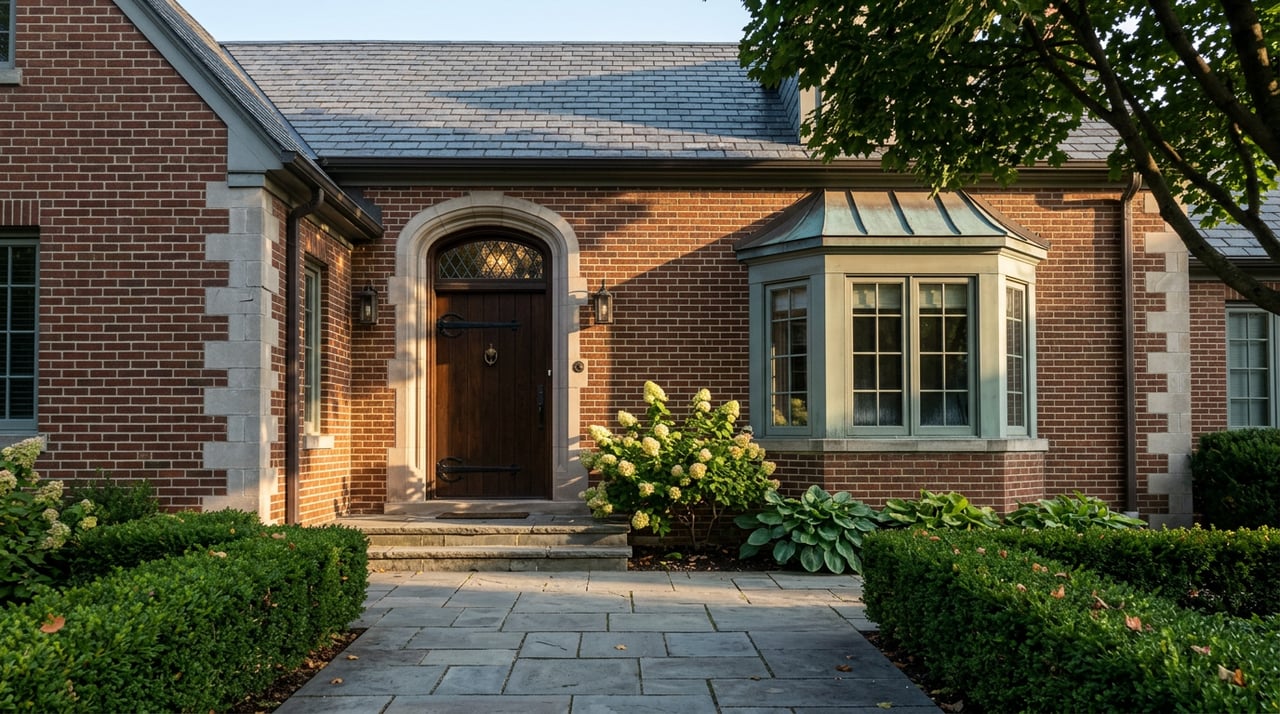
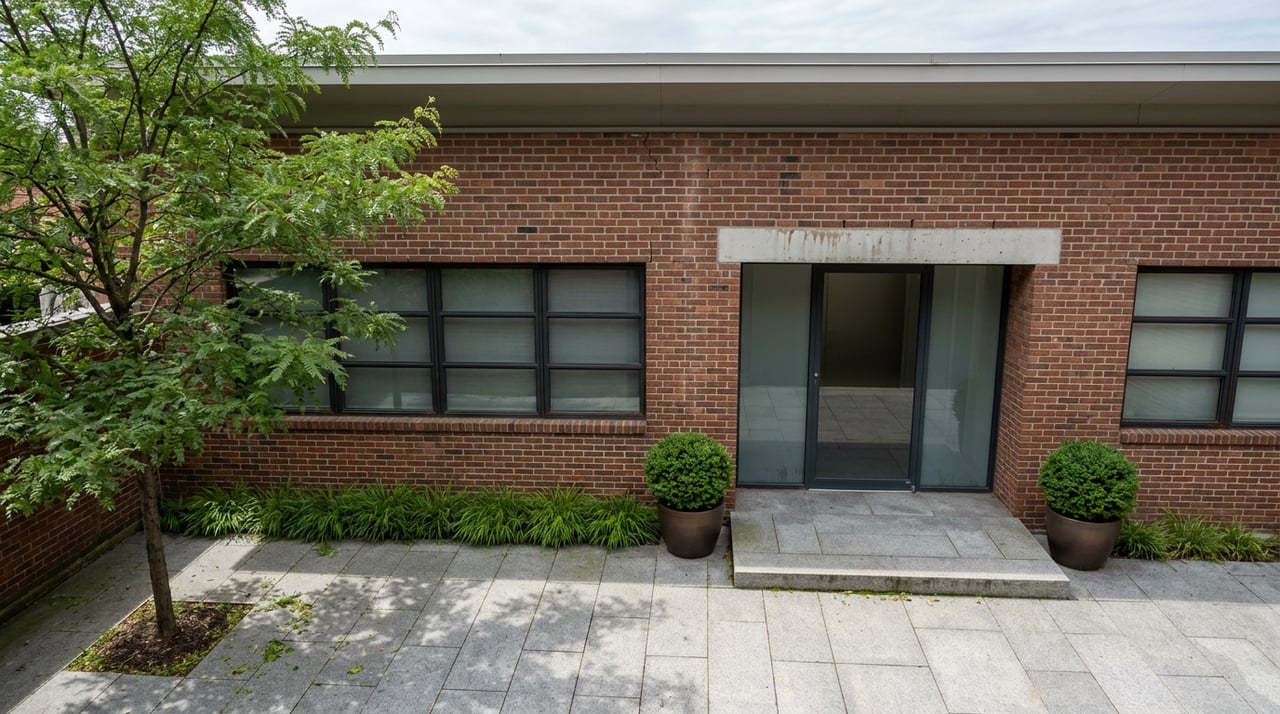
If you are drawn to character and a more design-led downtown setting, the Fashion District may feel like the better fit. Its identity comes from King-Spadina’s industrial history, with many late-19th and early-20th-century warehouses, factories, storefronts, and office buildings still shaping the area today.
The district’s name itself reflects that past. A City heritage notice explains that part of King-Spadina became known as the Fashion District because clothing producers remained there after the area’s industrial era, before the neighborhood evolved through offices, restaurants, and mixed-use development.
That heritage base still affects the streetscape now. The HCD plan notes masonry buildings, structures close to the street, and a public realm shaped by historic parks and laneways. For a first-time buyer, that often translates into an environment that feels a bit more layered and a bit less dominated by tall towers.
Why First-Time Buyers Like It
For many buyers, the appeal comes down to atmosphere and individuality. Based on the City’s building-stock descriptions, Fashion District condos may be more attractive if you want:
- A heritage-oriented setting
- More adaptive-reuse character
- Distinctive floor plans or loft-style appeal
- A downtown location that can feel calmer than the core nightlife zone
This does not mean the area is quiet in an absolute sense. It is still downtown Toronto. But compared with the Entertainment District, it often reads as the more balanced option.
What the Entertainment District Feels Like
If your ideal condo lifestyle includes immediate access to nightlife, events, major venues, and high-rise living, the Entertainment District may be the stronger match. The district is closely associated with theatres, arenas, stadiums, dining, hotels, and busy commercial activity, according to the Toronto Downtown West BIA.
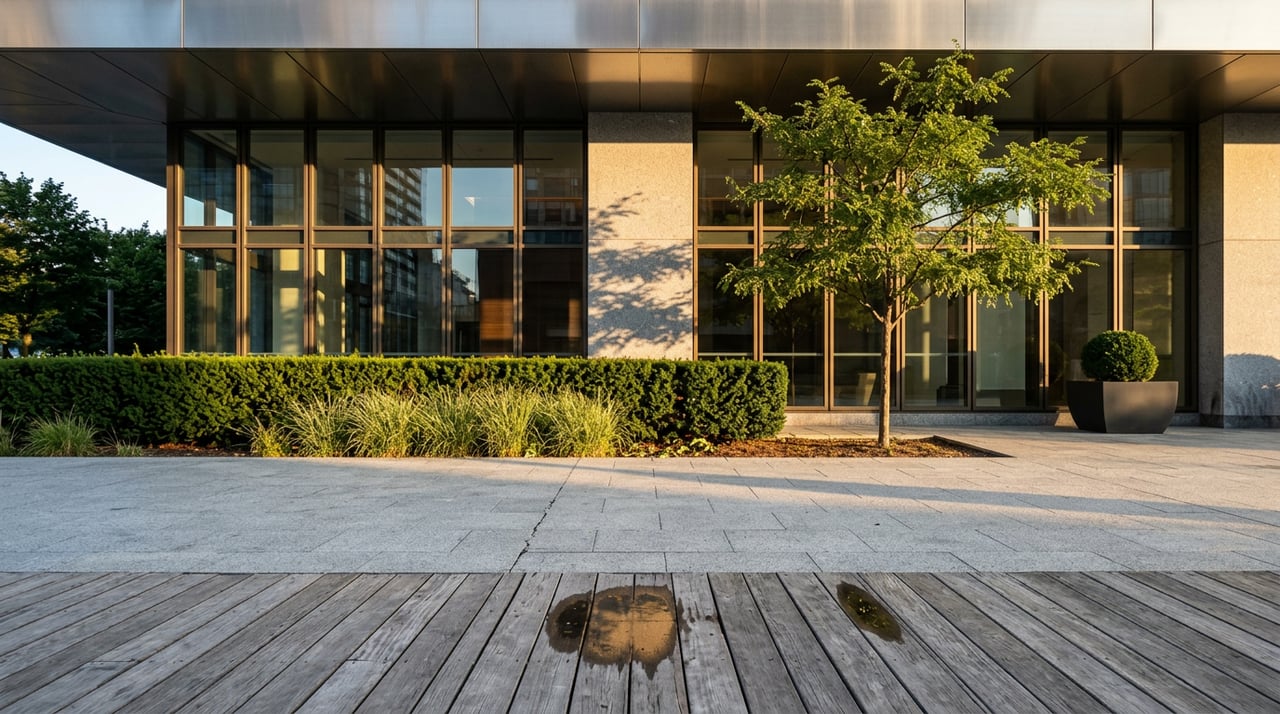
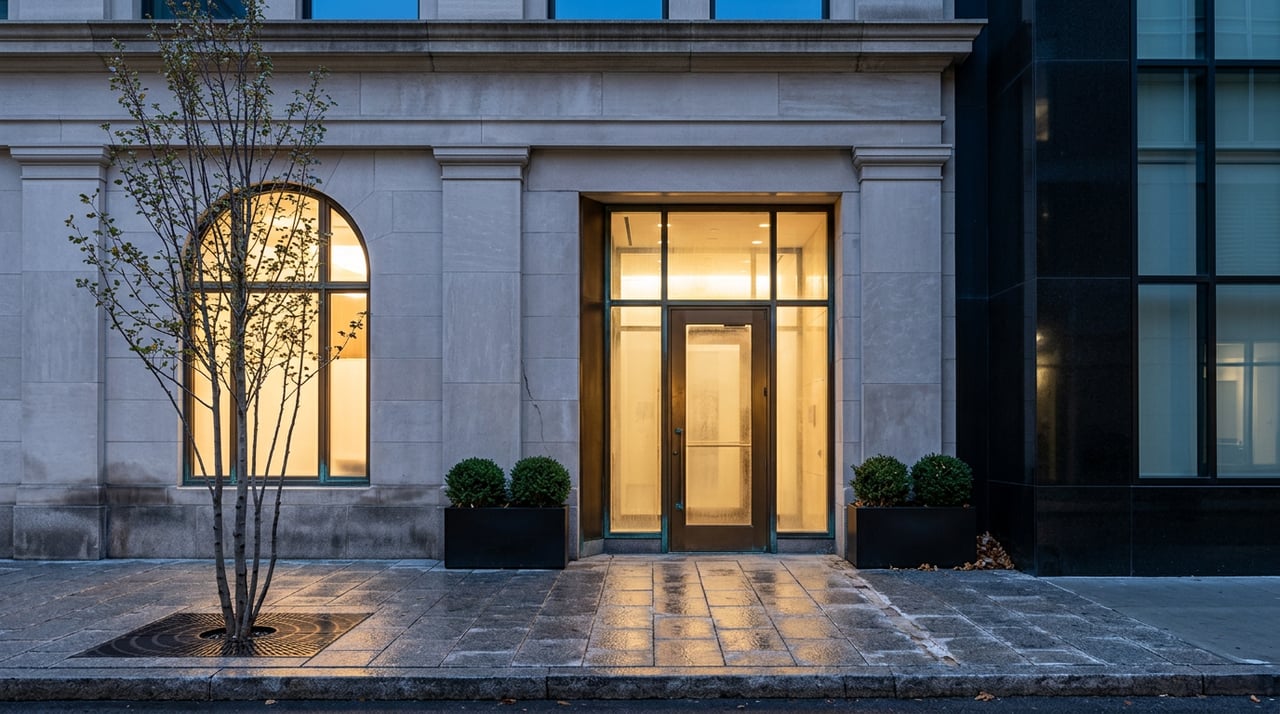
The built form also feels different. The City has described the area around 229 Richmond Street West as being in the heart of the Entertainment District and surrounded by high-rise buildings. That gives you a good sense of the setting: taller, denser, and more vertical.
Why First-Time Buyers Choose It
The Entertainment District can be a strong choice if you want convenience and energy first. Buyers often prefer it when they want:
- Quick access to nightlife and late-night dining
- Proximity to major event venues and offices
- A tower-focused condo environment
- Strong connectivity to PATH, Union Station, and downtown destinations
If you love the idea of stepping out into a busy urban core, this area delivers that feeling in a big way.
Noise and Lifestyle Matter More Than You Think
For a first condo, noise is not a minor detail. It can shape your sleep, work-from-home routine, and resale experience.
Toronto’s Noise Bylaw regulates amplified sound from bars, restaurants, concerts, and nightclubs, and the City tightened nighttime indoor limits in 2024. The City also permits amplified live music on patios only during a limited seasonal window and with restricted hours, while requiring compliance with the bylaw.
The same City page also notes changes to Toronto’s night economy rules effective January 1, 2025, including expanded permitted nightclub areas in commercial zones and stronger compliance and enforcement. In practical terms, that helps explain why the Entertainment District is the more obvious nightlife choice, while the Fashion District tends to be the more liveability-oriented option, even though both are active downtown areas.
What to Watch for in Either Area
No matter which district you prefer, your building and unit selection matter just as much as the neighborhood itself. Pay close attention to:
- Exposure near patios or nightlife uses
- Loading zones and service entrances
- Traffic-heavy intersections
- Window quality and sound insulation
- Floor level and street-facing orientation
These details can make a major difference in how a condo actually feels once you move in.
Transit Access Is Strong in Both
Transit is one of the easiest parts of this decision. Both areas are well connected, which is a major advantage for first-time buyers who want flexibility.
According to the City, the PATH network spans more than 30 kilometres, connects more than 75 buildings and six subway stations, and can be walked from the Entertainment District to Yonge Street. The Downtown West BIA also highlights access to Union Station, the TTC, UP Express, and Billy Bishop Airport.
That means your choice is usually less about whether you can get around and more about how you want your immediate surroundings to feel once you arrive home.
Green Space and Public Realm
Neither district is known for endless open space, but both benefit from ongoing public realm improvements.
In King-Spadina, the HCD plan identifies Clarence Square, Victoria Memorial Square, and St. Andrew’s Playground as historic parks that contribute to the neighborhood experience. These spaces support the area’s more layered street life and help break up the built form.
The Entertainment District is also getting additional green space. The City is creating a new 2,600-square-metre park at 229 Richmond Street West to serve a rapidly growing area with about 16,000 residents within 0.5 kilometres and 52,000 nearby workers.
Condo Market Context for First-Time Buyers
Your neighborhood choice should also be viewed through today’s condo market.
According to the TRREB condo market report, Q4 2025 GTA condo apartment sales were down 15% year over year, active listings were up, and the average condo price fell 5.1% to $652,945. In the City of Toronto, the average condo apartment price was $690,607. TRREB noted that buyers had more negotiating power, which is useful if you are purchasing your first condo and want room to be selective.
At the same time, CMHC’s 2025 condominium market research found that Toronto’s rental condo apartment vacancy rate remained at 1%, showing continued tenant demand even as ownership returns softened. CMHC also reported that higher carrying costs and weaker price growth have squeezed investor profitability.
What That Means in M5V
This is where the two districts can start to diverge in feel and risk profile.
The Entertainment District’s own demographic profile suggests a younger and more renter-heavy environment. The Downtown West BIA says 72.3% of its population is between ages 20 and 30, and 60.8% are renters. That does not make it a poor ownership choice, but it can point to a more investor- and tenant-heavy mix than some buyers want for a first home.
By comparison, Fashion District buildings with more distinctive layouts or stronger heritage identity may appeal to a broader end-user audience. That is still subject to the same citywide condo cycle, but if resale flexibility matters to you, uniqueness and livability can help.
Fashion District vs Entertainment District
Here is the simplest way to think about it:
| If you value... | Fashion District | Entertainment District |
|---|---|---|
| Street character | Strong heritage and adaptive reuse feel | More tower-heavy and modern |
| Nightlife access | Lively, but usually less intense | Strongest nightlife access |
| Noise levels | Often calmer by downtown standards | More likely to be busy and loud |
| Condo vibe | Distinctive, design-led, mixed-use setting | Amenity-heavy high-rise environment |
| Resident profile | Mixed-use, end-user appeal may feel broader | More renter-heavy and visitor-heavy |
| Transit convenience | Strong | Strong |
So, Which One Is Better for Your First Condo?
Choose the Fashion District if you want downtown convenience with more character, a heritage-influenced streetscape, and better odds of a slightly calmer street experience. It can be a strong fit if you care about design, identity, and a neighborhood that feels mixed-use rather than purely vertical.
Choose the Entertainment District if you want maximum energy, direct access to nightlife and events, and a classic downtown tower lifestyle. If you are comfortable with more activity, more visitors, and potentially more noise, it can be a very convenient place to start.
Most importantly, do not stop at the neighborhood name. In today’s condo market, building quality, reserve-fund health, rental ratio, noise exposure, and the unit’s exact position in the building can matter more than whether the listing says Fashion District or Entertainment District.
If you want a more tailored read on which M5V buildings fit your lifestyle, budget, and long-term plans, Selin Yasar can help you compare the details that really shape your first condo purchase.
FAQs
What is the main difference between the Fashion District and the Entertainment District in Toronto?
- The Fashion District generally offers a more heritage-oriented, mixed-use, and design-led setting, while the Entertainment District is more focused on nightlife, events, towers, and visitor activity.
Is the Entertainment District too noisy for a first condo buyer?
- Not necessarily, but it is usually the busier and louder option because of its concentration of nightlife, dining, and event venues, so unit location and building quality matter a lot.
Is the Fashion District better for resale value in M5V?
- There is no guaranteed winner, but buildings with distinctive layouts, stronger heritage identity, and broader end-user appeal may be less sensitive to some of the turnover seen in more investor-heavy tower environments.
Are both the Fashion District and Entertainment District good for transit?
- Yes, both areas offer strong downtown connectivity, including access to TTC routes, Union Station, and the PATH network.
What should a first-time condo buyer compare besides the neighborhood?
- You should compare reserve-fund health, rental ratio, sound insulation, building management, unit exposure, and how close the condo is to patios, traffic, or loading areas.