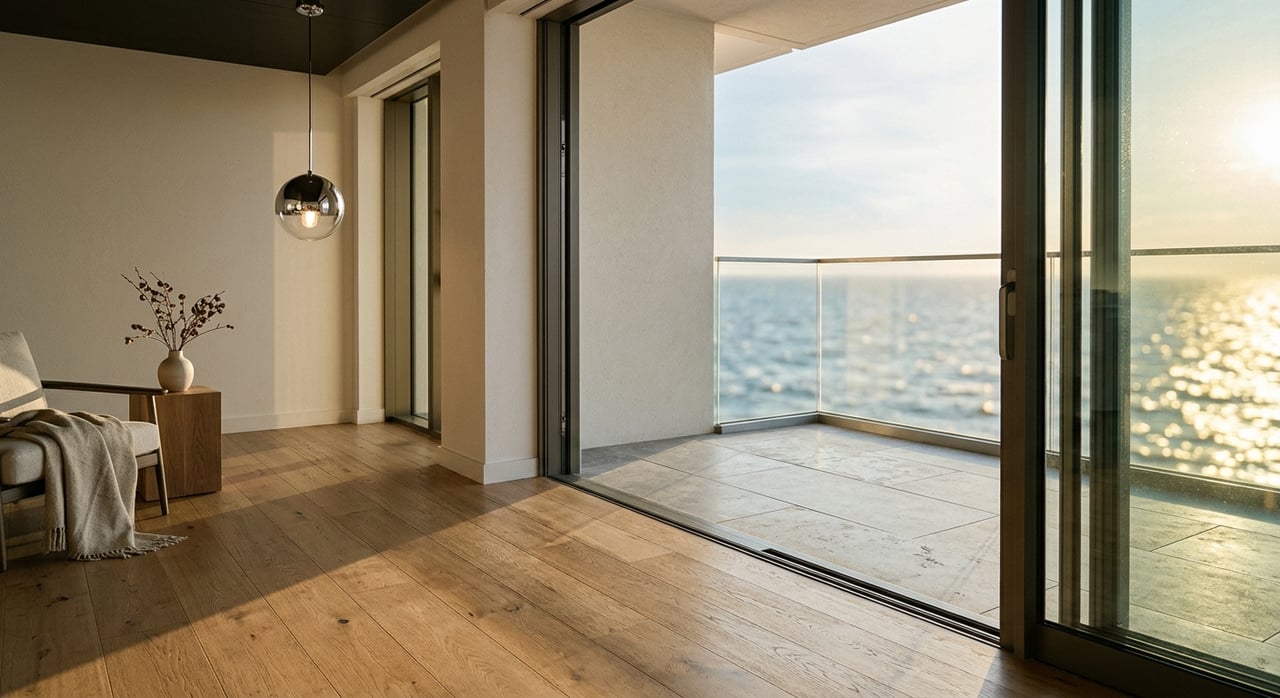
If you are eyeing a Harbourfront condo, the first question is not just what can I afford? It is how do I want this property to work for me? In this part of Toronto, that answer matters more than usual because Harbourfront is not a one-size-fits-all condo market. Some suites are built for daily waterfront living, some suit a rental strategy better, and some can do a bit of both. This guide will help you sort through the difference so you can buy with more clarity and confidence. Let’s dive in.
Why Harbourfront draws both buyers and investors
Harbourfront stands out because it combines waterfront living with strong downtown access. The City of Toronto describes Harbourfront Centre as a 10-acre site south of Queens Quay West, and the Harbourfront streetcar line has connected the area to Union Station and the ferry docks since 1990.
That mix of lifestyle and convenience helps explain why the area appeals to both end users and investors. You have the waterfront trail, Harbourfront Centre, Sugar Beach, and ongoing city investment in Queens Quay, the Waterfront East LRT project, and new park work at Spadina Pier and 318 Queens Quay.
For you as a buyer, that means the location itself is only part of the story. The building type, suite layout, fees, and long-term flexibility can matter almost as much as the postal code.
What Harbourfront condos actually look like
One reason Harbourfront can feel tricky is that the product mix is wide. Older buildings and newer towers can offer very different ownership experiences, even when they sit only blocks apart.
Current listings show just how broad the range is. Harbourside at 55-65 Harbour Square includes suites from 287 to 3,626 square feet, Harbour Square at 33 Harbour Square ranges from 546 to 2,146 square feet, Malibu Condos runs from about 330 to 993 square feet, and Ten York ranges from 582 to 3,858 square feet.
In simple terms, older waterfront buildings often offer larger, more livable layouts. Newer towers more often skew toward compact studios, one-bedrooms, and one-bedroom-plus-den suites. That pattern comes from the current listing mix, not a formal category, but it is a useful starting point.
When buying as an end user makes sense
If you plan to live in the condo yourself, you will likely care most about how the suite feels day to day. In Harbourfront, that often points buyers toward older full-service buildings and larger layouts.
Look for space and comfort
Many classic waterfront buildings offer the features end users tend to value most: larger principal rooms, more storage, parking, and views. Current listings in Harbour Square and nearby buildings highlight large two-bedroom layouts around 1,427 square feet, and some rentals top 1,600 square feet.
That kind of square footage can change how a condo lives. If you work from home, entertain often, or simply want room to grow into the property, older Harbourfront stock can feel more practical than a newer compact unit.
Amenities can support daily living
In the older waterfront complexes, amenities often lean toward full-service living rather than just a sleek sales package. Current listings mention indoor pools, saunas, squash courts, libraries, shuttle service, and all-inclusive utility packages.
For an end user, that can justify a higher monthly fee more easily. If the building feels more like a private club or hotel-style residence, the monthly cost may support your lifestyle in a way a spreadsheet alone will not capture.
Views matter more here
In many neighbourhoods, a nice view is a bonus. In Harbourfront, it is often a core value driver. Current listings repeatedly emphasize lake, island, and skyline exposures, especially in corner suites and higher floors.
If you are buying for yourself, think carefully about whether the exposure is central to your enjoyment. An unobstructed view can shape both your daily experience and your resale appeal later.
When buying as an investor makes sense
If your main goal is rental performance, your decision criteria usually shifts. You are likely looking for efficient layouts, broad tenant appeal, and manageable carrying costs.
Newer compact units often fit the thesis
Buildings like Malibu Condos at Harbourfront and Ten York show the type of product many investors target. Malibu includes studios around 330 to 403 square feet and one-bedrooms around 513 to 553 square feet, while Ten York shows active one-bedroom-plus-den and two-bedroom rentals around 648 to 830 square feet.
These suites are often easier to position for renters who want location, building amenities, and a more turnkey feel. Harbour Plaza Residences also shows a large rental pool, which reinforces that the broader waterfront market supports active leasing.
Rent levels are strong, but competition is real
Using broader Waterfront data as the closest proxy, average asking rent is around $3,175 with an average suite size around 726 square feet. Recent Harbourfront-area listings also show a wide rental range, from Malibu studios at $1,799 to larger two-bedroom and two-bedroom-plus-den listings at $3,400 to $4,500.
That said, the market still rewards realistic underwriting. CMHC reported a 1.0% condo-apartment vacancy rate in the GTA in 2025, but newer structures completed in the past three years had nearly 7% vacancy, and 75% of structures completed since 2022 offered at least one incentive, usually one to two months free rent.
The takeaway is simple. A Harbourfront unit can still rent well, but you should not assume every newer waterfront condo will lease instantly at a premium.
Cash flow depends on fees and rules
Investors need to look closely at carrying costs. A current 33 Harbour Square listing of about 1,427 square feet shows maintenance fees of $1,467, and some buildings include utilities and extensive service packages.
That may be acceptable for a buyer planning to live there, but it can materially affect investor returns. In Harbourfront, your purchase price is only one part of the story. Fees, utilities, lease-up timing, and rent assumptions all matter.
The best middle ground: buying for flexibility
Many buyers are not purely end users or purely investors. You may want a condo you can live in now but still rent or resell easily later.
In Harbourfront, the most practical blend is often a two-bedroom or two-bedroom-plus-den with parking and a locker, or a larger one-bedroom in a building with proven rental demand. These layouts can support your lifestyle today while staying marketable if your plans change.
That flexibility matters in a market with more buyer choice. TRREB reported GTA condo-apartment sales down 15% year over year in Q4 2025, with the average price down 5.1% to $652,945, while the City of Toronto average was $690,607. TRREB also reported that the MLS HPI was down 6.6% year over year in April 2026, which points to a market where buyers often have more room to negotiate.
What tends to resell best in Harbourfront
There is no perfect formula, but some features appear consistently important in this micro-market. In a softer condo environment, the cleanest and best-positioned units usually stand out more.
Features that support resale appeal
The suites that tend to hold broad appeal usually share a few traits:
- Efficient floor plans
- Unobstructed lake or city views
- Parking
- Locker storage
- Strong building management reputation
- Layouts with two bedrooms or a useful den
In Harbourfront, buyers do notice the difference between a beautiful location and a highly functional product. If resale flexibility matters to you, focus on both.
Key rules investors should know
Before you buy with rental income in mind, two local rules deserve extra attention.
Short-term rental limits in Toronto
Toronto short-term rentals are only allowed in a principal residence. The operator must register with the City, a short-term stay is defined as less than 28 consecutive days, and entire-home rentals are capped at 180 nights per year.
For most non-owner investors, that means a Harbourfront condo should be evaluated as a long-term rental play, not an Airbnb-style income property.
Rent control treatment in newer buildings
Ontario rules state that units first occupied for residential purposes after November 15, 2018 are exempt from the rent-increase guideline. This can be especially relevant if you are looking at newer Harbourfront towers.
That does not automatically make a newer unit the better investment. It simply means you should weigh this rule alongside vacancy risk, incentives in competing buildings, and your expected tenant profile.
So, should you buy as an end user or investor?
The best answer depends on what you need the property to do. If you value space, comfort, views, and a fuller service experience, older Harbourfront buildings may fit you better as an end user. If your focus is rental efficiency and tenant demand, newer compact suites may align more closely with an investor strategy.
If you want a balance of lifestyle and long-term flexibility, a well-laid-out one-bedroom-plus-den or two-bedroom in a well-managed building is often the strongest compromise. In Harbourfront, buying well is less about chasing a label and more about matching the building and suite to your real goal.
If you want help sorting through which Harbourfront buildings suit your lifestyle, budget, and longer-term plans, Selin Yasar offers a thoughtful, design-aware and market-informed approach to downtown condo buying.
FAQs
Is Harbourfront in Toronto better for an owner-occupier or an investor?
- Harbourfront can work for both, but larger older full-service suites often suit owner-occupiers better, while newer compact units often fit investor goals more closely.
Which Harbourfront condo size is easiest to resell?
- There is no single winner, but two-bedroom layouts appear to have broad appeal, while smaller units rely more heavily on rental demand and lower carrying costs.
Do views really affect Harbourfront condo value?
- Yes. Current listings consistently highlight lake, island, and skyline views, which suggests views are a major value driver in this area.
Can an investor use a Harbourfront condo for short-term rentals?
- Usually not, unless the unit is the operator’s principal residence and the rental complies with Toronto’s short-term rental rules.
Are newer Harbourfront condos exempt from Ontario rent increase guidelines?
- Units first occupied for residential purposes after November 15, 2018 are exempt from Ontario’s rent-increase guideline.
Why do maintenance fees matter so much in Harbourfront condos?
- Fees can be substantial in older full-service waterfront buildings, so they may support lifestyle value for end users but can significantly affect investor cash flow.