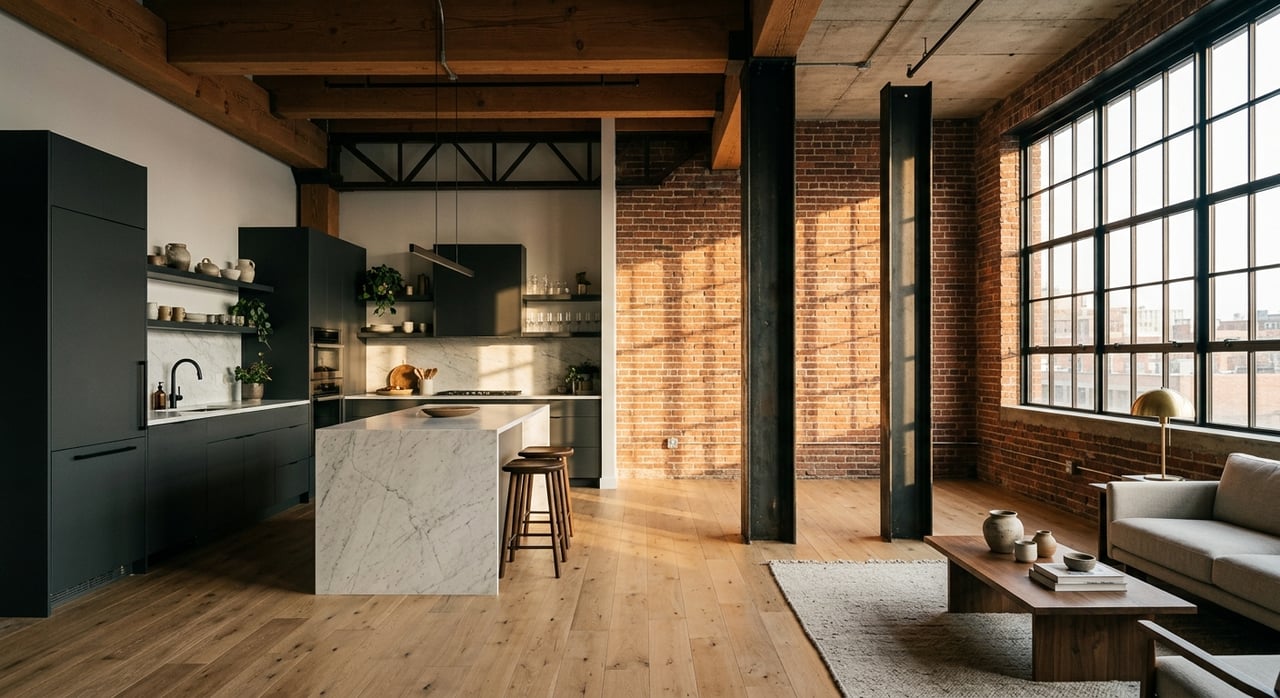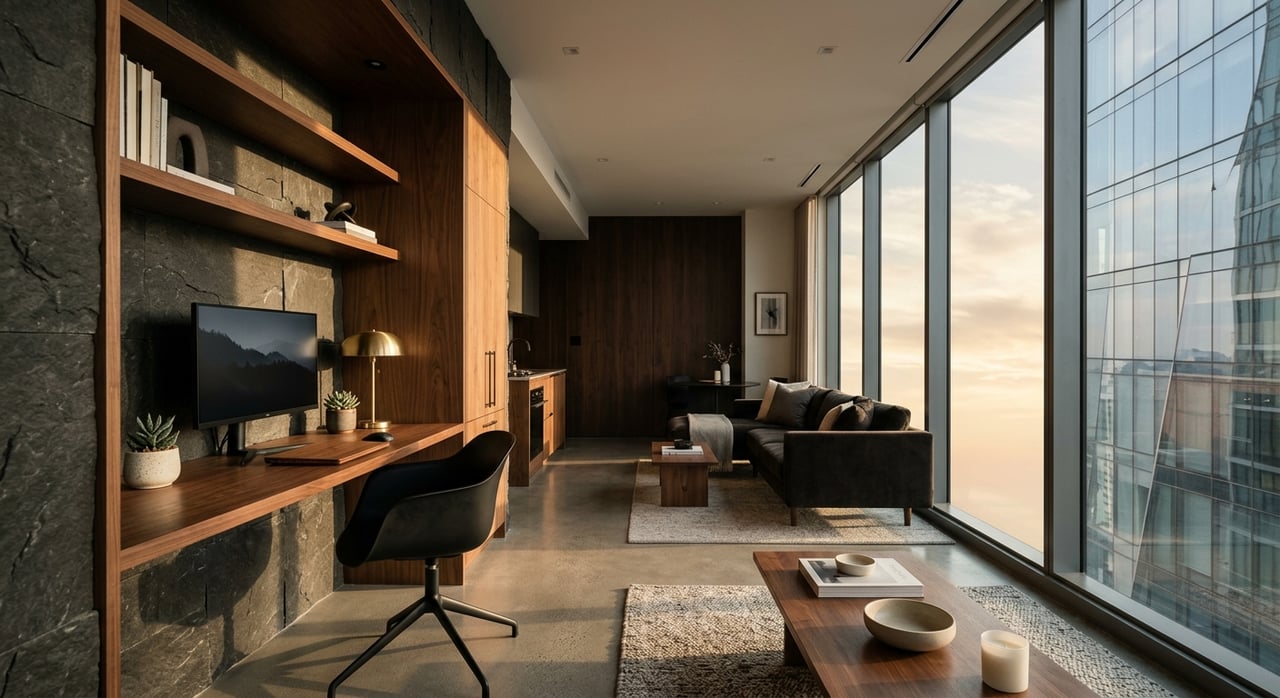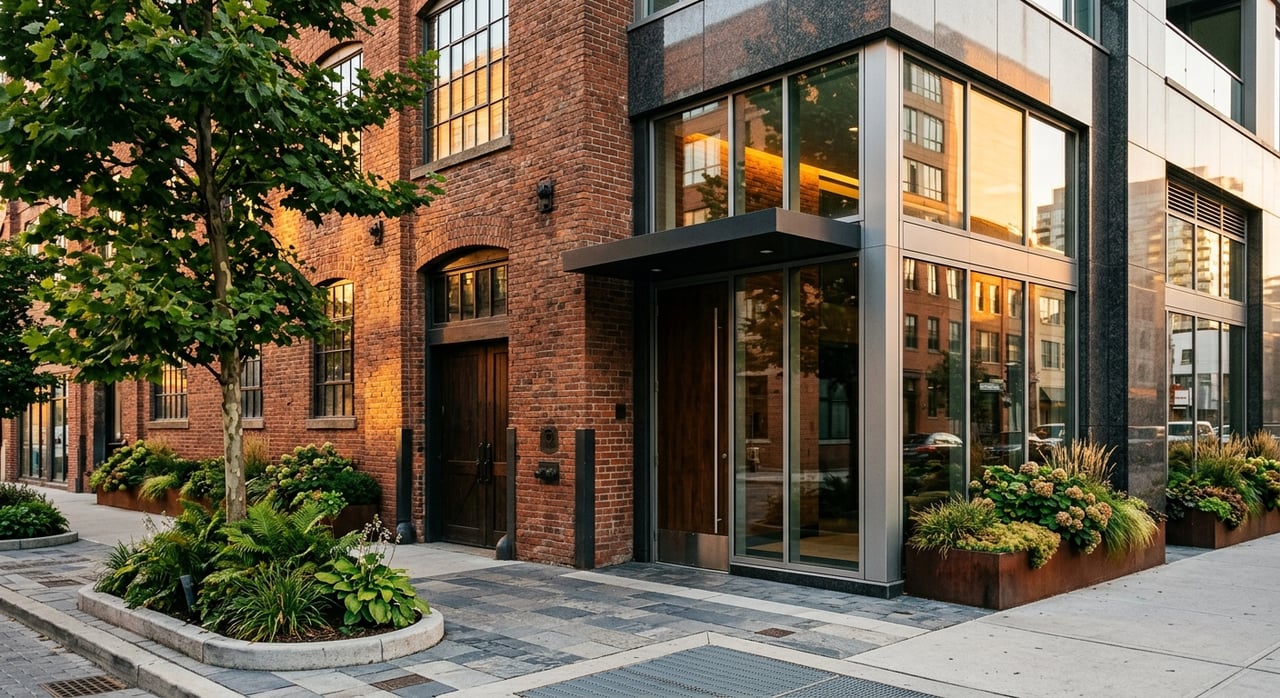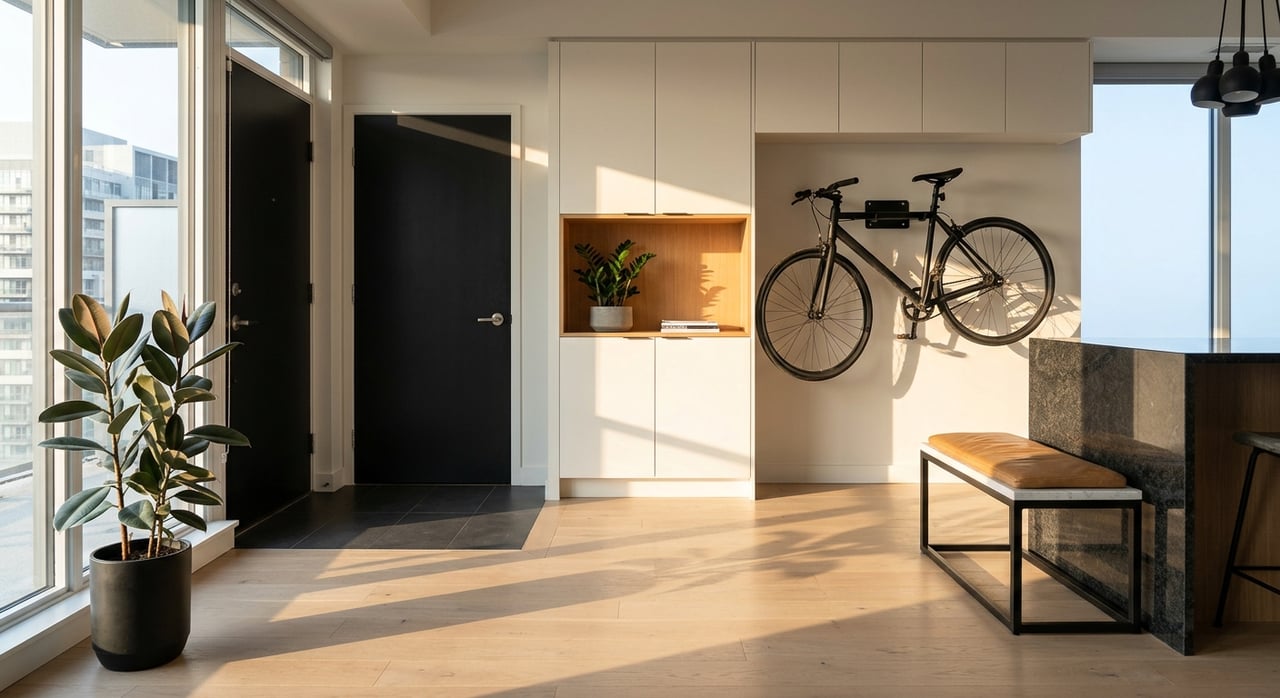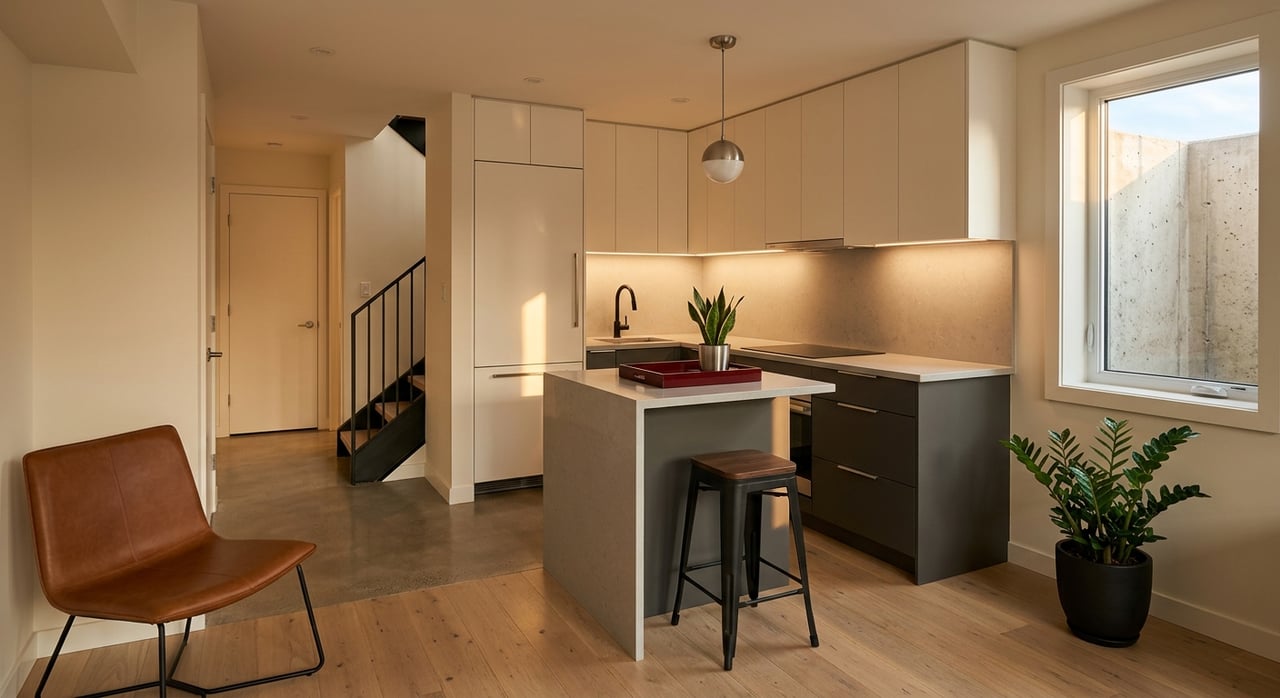
Thinking about turning a Trinity-Bellwoods row home into an income property? You are not alone. In a neighborhood where older low-rise homes meet strong rental demand and a lifestyle-rich location, the right conversion can support both your day-to-day use and your long-term property strategy. The key is knowing where design opportunity ends and due diligence begins. Let’s dive in.
Why Trinity-Bellwoods Works for Income Properties
Trinity-Bellwoods has the kind of neighborhood mix that often supports strong rental interest. The area offers a major park, active retail streets, restaurants, cafes, bars, and easy connections to transit and cycling routes. For many renters, that blend of convenience and lifestyle matters just as much as square footage.
The local housing stock also helps explain why row homes can be part of the conversation. According to Toronto’s historical neighbourhood profile, 48% of dwellings in Trinity-Bellwoods were built before 1960. That means many homes already have the kind of low-rise form that can lend itself to a thoughtfully planned secondary suite, even if the renovation path is rarely simple.
Toronto’s broader rental landscape adds another reason this strategy gets attention. The City estimates there were 208,768 secondary rental units in 2021, showing that secondary suites are already a major part of the housing market. In other words, creating a legal suite is not a fringe idea here. It is part of how many owners use low-rise housing in the city.
What a Secondary Suite Means in Toronto
In Toronto’s residential zones, one secondary suite is generally permitted within a detached house, semi-detached house, or townhouse, subject to the performance standards in Zoning By-law 569-2013. The City defines a secondary suite as self-contained living accommodation that is subordinate to the main dwelling.
For Trinity-Bellwoods row homes, that matters because many of these properties function like townhouses or attached low-rise homes. If you are exploring an income-property setup, the first question is not just whether you can add a unit. It is whether your specific property meets the zoning and building requirements for the type of suite you want.
Toronto also notes that permits for adding units now sit within a broader low-rise framework that includes secondary suites, laneway suites, garden suites, and multiplex conversions. That does not mean every option fits every lot. It does mean you should review the property as a full planning exercise rather than assuming one path will automatically work.
New Rules That May Affect Row Homes
Ontario Regulation 462/24, which came into force on November 20, 2024, is especially relevant for rowhouse lots. Where it applies, a rowhouse lot with a secondary suite is not subject to a maximum floor space index limit.
That said, this is not a free pass to build without constraints. Other rules can still apply, including lot coverage, setbacks, frontage, and gross floor area. The regulation also only works when the lot remains at no more than three residential units.
If you own or are considering buying a Trinity-Bellwoods row home, this is one of the most important reasons to check the exact parcel details early. Two homes on the same block can have very different approval paths depending on lot conditions, unit count, and existing built form.
Why Older Row Homes Need Extra Planning
The charm of Trinity-Bellwoods is part of the appeal, but older homes often come with added complexity. Because nearly half the area’s dwellings were built before 1960, renovation surprises should be expected rather than treated as exceptions.
Older layouts can create challenges around circulation, ceiling heights, servicing, and exits. Basement and attic conversions can be especially sensitive, since Ontario guidance notes that ceiling height is often a constraint in those spaces. If the existing home has been altered over time, you may also need to reconcile past renovations with current permit standards.
There is also a heritage angle to consider. If a property is designated under the Ontario Heritage Act, or if it is located in a heritage conservation district, exterior changes may require a heritage permit. Some applications may also require a heritage impact assessment.
Design Choices That Improve Rentability
The most attractive income suites usually feel intentional. They do not read as leftover space carved out of a larger house. In a design-conscious neighborhood like Trinity-Bellwoods, that difference can shape how your suite competes in the market.
A few features tend to matter most:
- A private entrance
- Efficient circulation with minimal wasted space
- Strong natural light where possible
- In-suite laundry
- Durable, easy-care finishes
- Real storage, even in compact layouts
- Good sound separation from the main home
Ontario guidance also points to practical building priorities that directly affect livability. Safe exits, smoke alarm compliance, and extra noise protection in the walls, floors, and ceilings between units all matter. These are not just code items. They are part of what makes a suite feel comfortable and professionally executed.
Best-Fit Layouts for This Rental Market
Toronto data shows that many renter households are singles or roommate households. That helps explain why one-bedroom suites and compact two-bedroom layouts can make sense in this part of the city.
In a Trinity-Bellwoods row home, the smartest layout is not always the one that squeezes in the most doors. It is usually the one that creates a quiet, functional home with enough privacy and storage to support daily life. A well-planned one-bedroom can outperform a cramped two-bedroom if the space feels more usable.
This is where thoughtful design can do real financial work. If the suite feels bright, calm, and cohesive with the main house, it often has stronger long-term positioning than a layout that tries to force density at the expense of comfort.
How the Toronto Rental Market Shapes the Opportunity
Toronto’s rental market has eased somewhat, but it remains expensive by historical standards. The City reports that purpose-built rental vacancy rose from 1.4% in 2023 to 2.3% in 2024, which is still below the balanced 3% level. Over the past decade, average market rents rose 4.9% annually.
CMHC’s 2025 Toronto CMA summary shows a 3.0% vacancy rate for purpose-built rentals and a 0.9% vacancy rate for condominium rentals. It also reports average monthly rents of $1,761 for one-bedroom and $2,046 for two-bedroom purpose-built apartments.
These figures are not direct pricing guides for a Trinity-Bellwoods secondary suite, but they do provide useful context. In a neighborhood with strong lifestyle appeal, a legal and well-finished small unit may still command premium attention relative to its size. The details of condition, layout, privacy, and finish quality can make a meaningful difference.
Revenue Expectations Should Stay Grounded
If you are evaluating a row home as an income property, it helps to stay realistic about revenue growth. Ontario’s 2026 rent increase guideline is 2.1%, and the Residential Tenancies Act applies to most private residential units, including secondary units such as basement apartments.
That means you should not build your numbers around unlimited rent growth. Instead, focus on a durable setup that can perform well over time: legal configuration, low-maintenance finishes, strong tenant appeal, and a layout that supports stable occupancy.
A good income property in Trinity-Bellwoods is rarely about chasing the most aggressive short-term assumption. More often, it is about creating a suite that fits the neighborhood, respects the home, and holds up operationally.
Your Due Diligence Checklist
Before you buy, renovate, or market a row home as an income property, verify the basics carefully. Toronto specifically points owners toward confirming zoning and approval details at the parcel level.
Start with this checklist:
- Confirm the exact zoning for the property
- Verify how many residential units are permitted on the lot
- Review whether a secondary suite fits the current built form
- Check if the home is designated or located in a heritage conservation district
- Understand the permit pathway with Toronto Building
- Review building code items such as exits, alarms, sound separation, and ceiling height constraints
- Discuss financing and tax implications with appropriate legal and financial professionals
This step is where many projects become either clearly viable or clearly more complex than expected. In Trinity-Bellwoods, that clarity matters because the neighborhood’s older housing stock can look straightforward from the street while hiding very different conditions from one property to the next.
A Design-Led Way to Think About Value
For many owners, the best income-property strategy is not just about adding a unit. It is about protecting the overall value of the home while making the new space marketable. In Trinity-Bellwoods, that often means preserving the front facade and street character while modernizing the interior for current living standards.
That approach can support both rentability and resale. A suite that feels quiet, polished, and visually aligned with the main home is often more compelling than one that feels improvised. In a design-aware downtown market, presentation still matters, even when the numbers are strong.
If you are weighing whether a Trinity-Bellwoods row home could work as an income property, the real question is not only can it generate rent. It is whether the property can support a legal, functional, and well-designed setup that makes sense for your goals.
If you want a thoughtful, design-conscious perspective on downtown Toronto properties and how they fit your lifestyle and investment plans, Selin Yasar can help you evaluate the details with care.
FAQs
Can a Trinity-Bellwoods row home have a secondary suite?
- In Toronto, one secondary suite is generally permitted within a detached house, semi-detached house, or townhouse, subject to the applicable zoning by-law standards and property-specific conditions.
What should I check before converting a Trinity-Bellwoods row home into an income property?
- You should confirm parcel zoning, allowed unit count, heritage status, permit requirements, and building code issues such as exits, alarms, sound separation, and ceiling height.
Do heritage rules affect Trinity-Bellwoods row home renovations?
- Yes. If the property is designated under the Ontario Heritage Act or located in a heritage conservation district, exterior alterations may require a heritage permit and some projects may need a heritage impact assessment.
What suite layouts fit the Trinity-Bellwoods rental market?
- Toronto data suggests many renter households are singles or roommate households, so a well-planned one-bedroom or compact two-bedroom suite can be a practical fit.
Is the Toronto rental market still strong for small units?
- Toronto’s rental market has eased somewhat, but City and CMHC data still show relatively tight vacancy conditions and high average rents, which supports continued demand for functional, well-finished units.
Are rent increases unlimited for Trinity-Bellwoods income properties?
- No. Ontario’s 2026 rent increase guideline is 2.1%, and the Residential Tenancies Act applies to most private residential units, including many secondary suites.