If you picture loft living in downtown Toronto as all exposed brick and quiet side streets, the Distillery District may surprise you. This is one of the city’s most recognizable urban pockets, where heritage character, condo living, and a busy public realm all meet in a compact footprint. If you are thinking about buying here, it helps to understand what “Distillery loft living” actually means, how the housing stock differs from building to building, and what daily life feels like once the weekend crowds arrive. Let’s dive in.
What makes the Distillery District distinct
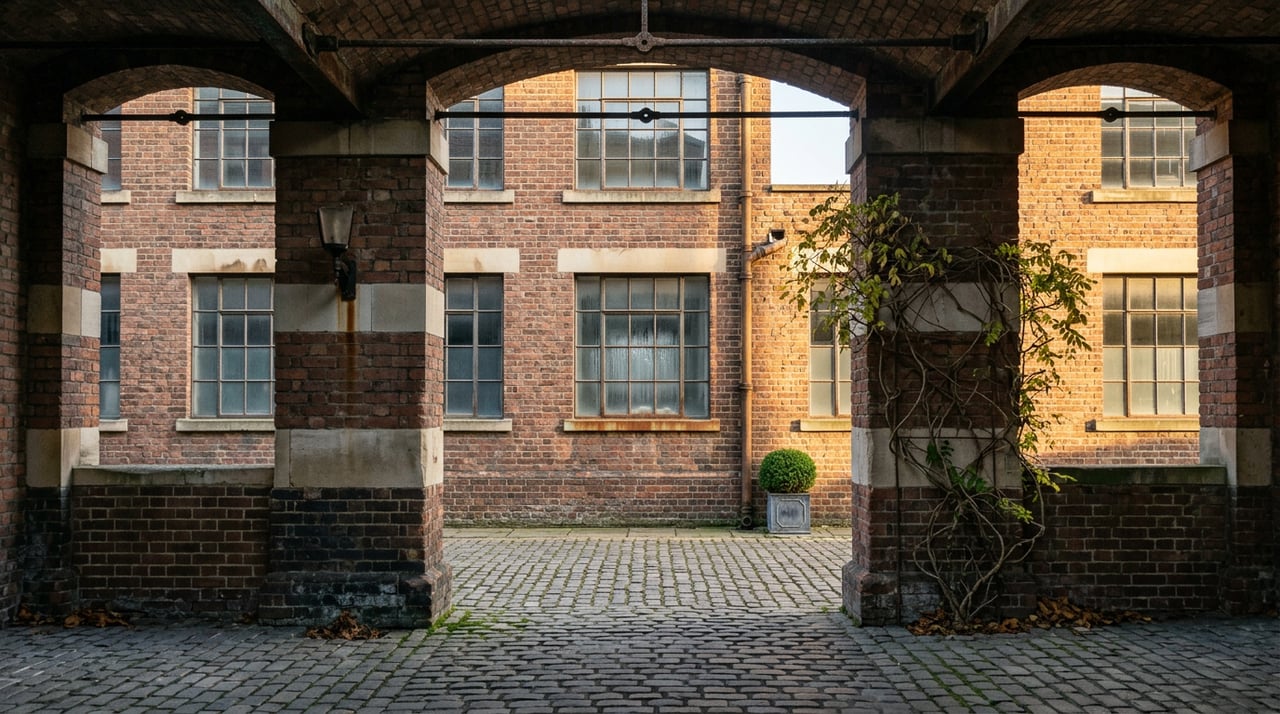
The Distillery Historic District is a 13-acre pedestrian area built around the former Gooderham & Worts distillery, which was founded in 1832. Official district materials describe it as a designated national historic site with a large collection of Victorian industrial buildings, while local tourism materials highlight its cobblestone, car-free setting.
That identity matters because the neighbourhood was shaped through adaptive reuse, not complete redevelopment. City planning documents note that the majority of heritage buildings were retained and reused, and that newer development around the district had to respond to the heritage fabric, pedestrian movement, open space, and the surrounding neighbourhood context.
For you as a buyer, that means the area offers something downtown Toronto rarely does. It blends preserved industrial character with modern residential additions, which creates a more layered living experience than you might find in a typical glass-tower pocket.
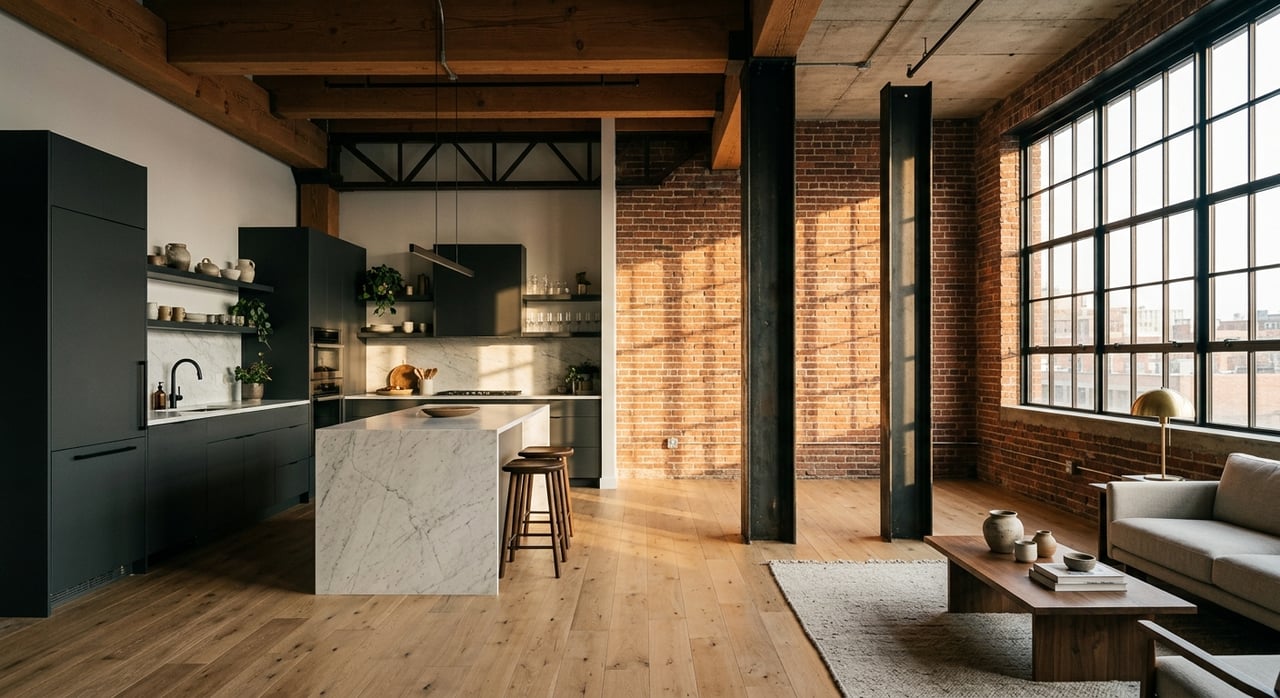
What “loft living” means here
One of the biggest misconceptions about the Distillery District is that every home here is a true loft. In practice, the area includes a mix of heritage-adjacent residences, boutique-style condos, and newer towers that sit within or along the edge of the district.
City planning documents identify 70 Mill Street, 80 Mill Street, 39 Parliament Street, and 33 Mill Street as the district’s principal residential additions. Those buildings vary quite a bit in form, with 70 Mill at 12 storeys, 80 Mill at 14 storeys, 39 Parliament at 12 storeys, and Pure Spirit at 33 Mill rising to 32 storeys.
That range is why “Distillery loft living” can mean different things depending on the address. Some buyers want a lower-rise, heritage-adjacent feel with more intimacy and character, while others want a newer high-rise product with a more conventional condo layout and amenity set.
Understanding the housing mix
If you are comparing listings in this part of M5A, it helps to separate them into a few broad categories. That makes it easier to match your lifestyle and budget to the right type of property rather than shopping by neighbourhood name alone.
Heritage-adjacent condo feel
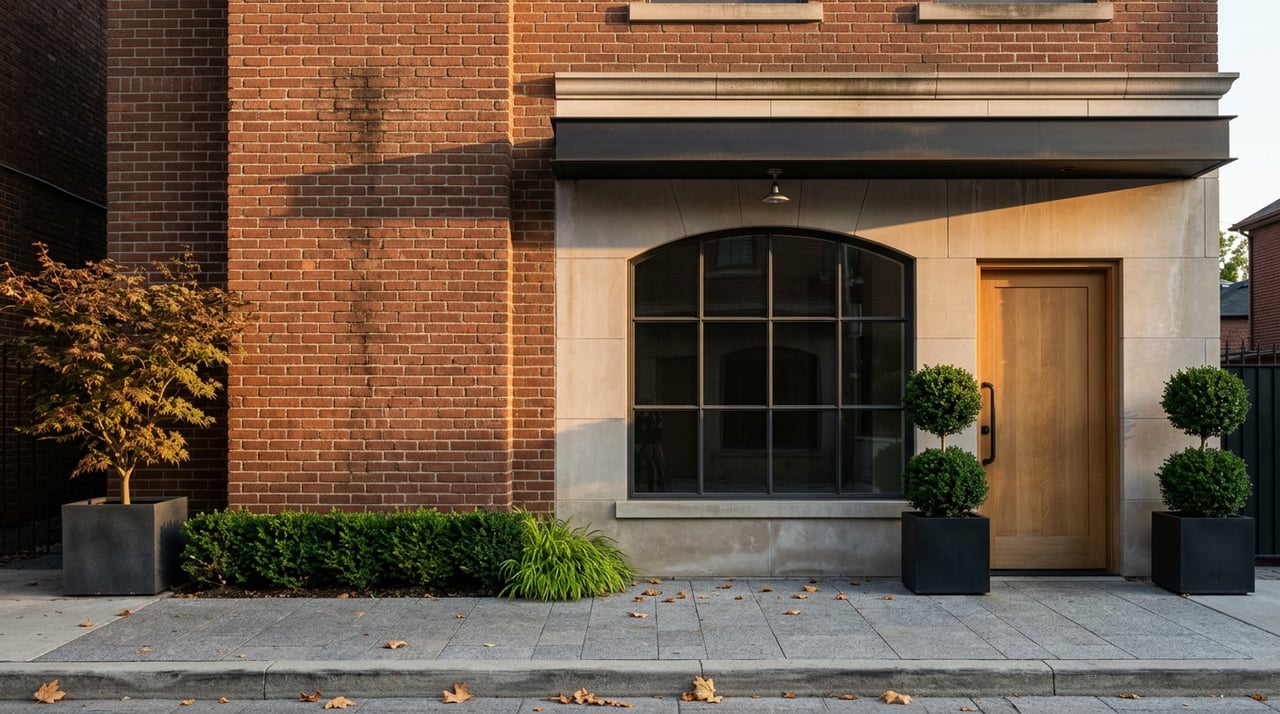
Homes closest to the historic core often appeal to buyers who care about atmosphere as much as square footage. You may be paying for proximity to the pedestrian district, the visual character of the area, and the sense of living inside one of downtown Toronto’s most distinctive settings.
This type of purchase is usually less about a generic condo checklist and more about the overall experience. If design, setting, and walkable lifestyle matter to you, this part of the district tends to stand out.
Mid-rise and boutique-style options
Buildings like 70 Mill, 80 Mill, and 39 Parliament sit in a middle ground that many downtown buyers find appealing. They can offer a more grounded scale than a tall tower while still putting you close to the district’s shops, dining, and cultural venues.
For some buyers, this is the sweet spot. You get access to the neighbourhood identity without committing fully to a high-rise living experience.
Newer tower living on the edge
The broader edge of the district includes buildings such as Clear Spirit, the Gooderham Building, and 70 Distillery Lane, which City Planning identifies as a condominium tower on the site of Rack House M. These addresses may suit buyers who want the Distillery lifestyle nearby but prefer a more familiar downtown condo format.
If your priorities include newer finishes, a more standard tower layout, or a less heritage-driven feel, these options can be worth a closer look. They still connect you to the district, but the living experience may feel more conventionally urban than loft-like.
Daily life in the Distillery District
The lifestyle here is a major draw, but it is not subtle. Official district materials say the area is open 364 days a year and includes more than 40 boutiques and one-of-a-kind shops, while local destination sources point to dining, galleries, the Young Centre, and Soulpepper within the district’s public realm.
That means your day-to-day environment can feel lively, curated, and highly walkable. If you like stepping outside into a neighbourhood with texture, retail, and cultural energy, this is part of the appeal.
At the same time, the district is not quiet in the way some buyers expect from a tucked-away enclave. Seasonal programming is a defining part of the area, and that activity shapes how the neighbourhood feels throughout the year.
Expect a strong seasonal rhythm
The Distillery District is known for events, and that matters if you are considering living here full-time. Official event calendars include major seasonal programming such as the 2026 Distillery Winter Village, scheduled from November 12, 2026 to January 3, 2027, with an expected attendance of about 1 million visitors over 52 days.
Other events on official pages include Rock Revival and Distillery’s Summer of Soccer. In simple terms, this is a neighbourhood where weekend crowds, holiday traffic, and event spillover are part of normal life rather than rare interruptions.
For the right buyer, that energy is a feature, not a flaw. But if you prefer a calmer residential rhythm, it is important to factor that into your search early.
Outdoor space nearby matters
One reason this area works well for many downtown buyers is that the lifestyle is not limited to shops and restaurants. Corktown Common adds a more everyday outdoor option just beyond the district.
Waterfront Toronto describes Corktown Common as approximately 7.3 hectares with walking trails, bike paths, a boardwalk, a dog area, playgrounds, and direct access to the Don River Trail and the broader waterfront system. If your version of urban living includes morning walks, bike access, or easy outdoor breaks, this nearby green space adds real value.
Transit and access are improving
Today, the district is served by the TTC’s 504 King streetcar to Distillery Loop. That already gives residents a direct transit connection into the downtown network, which supports the car-light lifestyle that many buyers want in this part of the city.
Looking ahead, Metrolinx says the future Ontario Line Distillery District Station will connect to the 504 King streetcar, the 65 Parliament bus, and the 172 Cherry bus. Metrolinx also states that the station will be within a short 10-minute walk for more than 26,400 residents and that 3,300 households in the area do not currently own a car.
That does not guarantee the same transit value for every building, but it does reinforce the neighbourhood’s long-term fit for buyers who prioritize connectivity over driving. In a compact, pedestrian-oriented district, that can be an important part of the ownership equation.
Parking and practical trade-offs
The Distillery District was designed first as a pedestrian environment, so parking plays a supporting role. Official district information says paid public parking is available on site, including above-ground parking along Distillery Lane and underground parking at 70 Distillery Lane.
The same materials also note mobility-accessible parking, ramp access, accessible washrooms, complimentary WiFi, and two public washroom facilities. They also warn that the historic cobblestones are naturally uneven in some places.
That last point may sound small, but it is part of the real lifestyle calculation. The district’s charm is tied to its historic texture, and that comes with convenience trade-offs that some buyers love and others may find less practical.
Why pricing can feel inconsistent
If you have watched condo prices across Toronto, Distillery listings can seem hard to compare at first glance. The clearest reason is scarcity.
The district is small, heritage-protected, and limited in the number of authentic older buildings and carefully integrated residential projects. City planning records show that later growth happened through specific condo and mixed-use additions rather than broad new infill, which means product type varies more than many buyers expect.
That is why pricing often depends less on the postal code alone and more on what you are actually buying. A heritage-feel unit, a low-rise boutique condo, and a newer tower residence on the edge of the district may all carry different value logic.
As broader market context, TRREB reported that Toronto condominium apartments averaged $649,330 in Q1 2026, while total condo sales across TRREB were down 11.3% year over year. In the Distillery District, pricing can diverge from that citywide average based on unit style, character, and proximity to the pedestrian core.
Who this area suits best
The Distillery District often works well for buyers who want more than a place to sleep near downtown. It tends to suit people who value design, walkability, dining, culture, and a home that feels connected to a recognizable part of the city.
It can also appeal to buyers who want a condo purchase with a more curated neighbourhood identity. In a downtown market with many interchangeable towers, that sense of place can be a meaningful differentiator.
The best fit usually comes from matching your priorities to the right building type. If you want help comparing true character, practical livability, and long-term value within this pocket of M5A, a building-by-building approach matters.
If you are exploring Distillery District loft living or comparing it with nearby condo options, Selin Yasar can help you narrow the search with a design-aware, data-informed strategy tailored to how you want to live.
FAQs
What is the Distillery District in downtown Toronto?
- The Distillery Historic District is a 13-acre pedestrian area in Toronto built around the former Gooderham & Worts distillery, founded in 1832, and known for its preserved Victorian industrial buildings.
What types of homes are in the Distillery District?
- Housing in and around the district includes mid-rise condos, high-rise towers, and heritage-adjacent residences, so not every home is a true loft in the traditional sense.
What is daily life like in the Distillery District?
- Daily life is walkable and amenity-rich, with shops, dining, galleries, and theatre nearby, but it also includes regular crowds and seasonal events that shape the neighbourhood’s rhythm.
What transit serves the Distillery District area?
- The area is currently served by the TTC 504 King streetcar to Distillery Loop, and the future Ontario Line Distillery District Station is planned to connect with the 504 King, 65 Parliament, and 172 Cherry routes.
Why do Distillery District condo prices vary so much?
- Prices can vary based on scarcity, heritage character, building type, and how close a unit is to the pedestrian core, so two homes in the same area can offer very different value propositions.
Are there nearby alternatives to Distillery District condos?
- Yes. Buyers looking for a newer and more conventional condo experience may also consider nearby options such as the Canary District, which is connected to downtown, Corktown, the Distillery District, and Don River trails.